
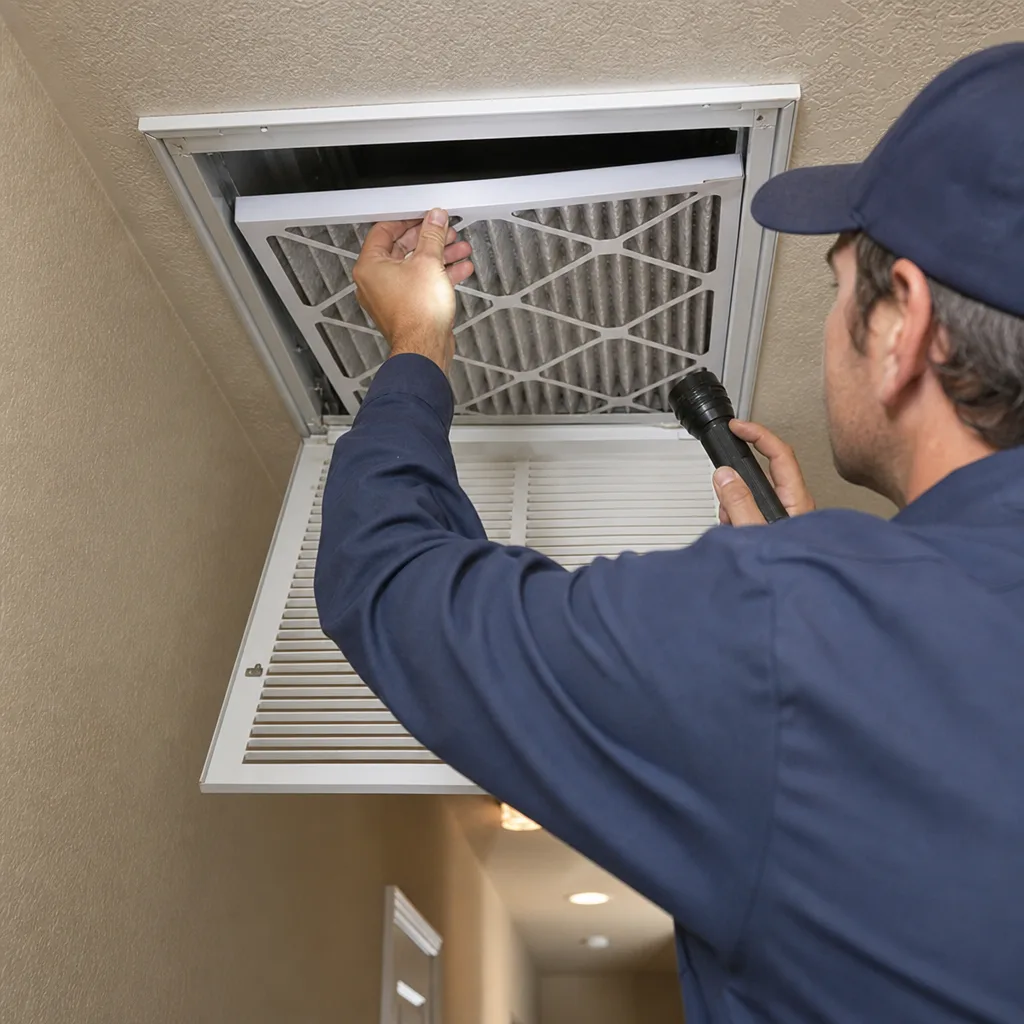
Last updated November 16, 2026
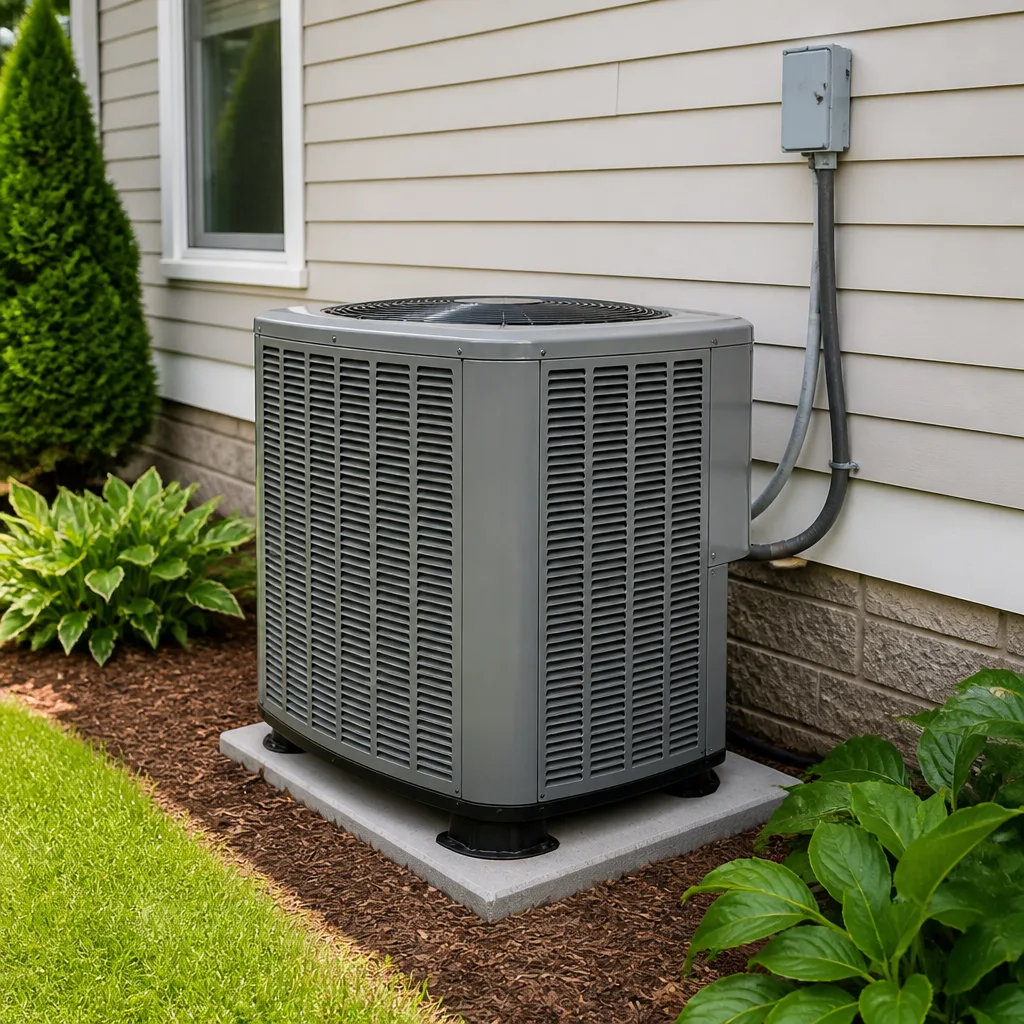 AC repair
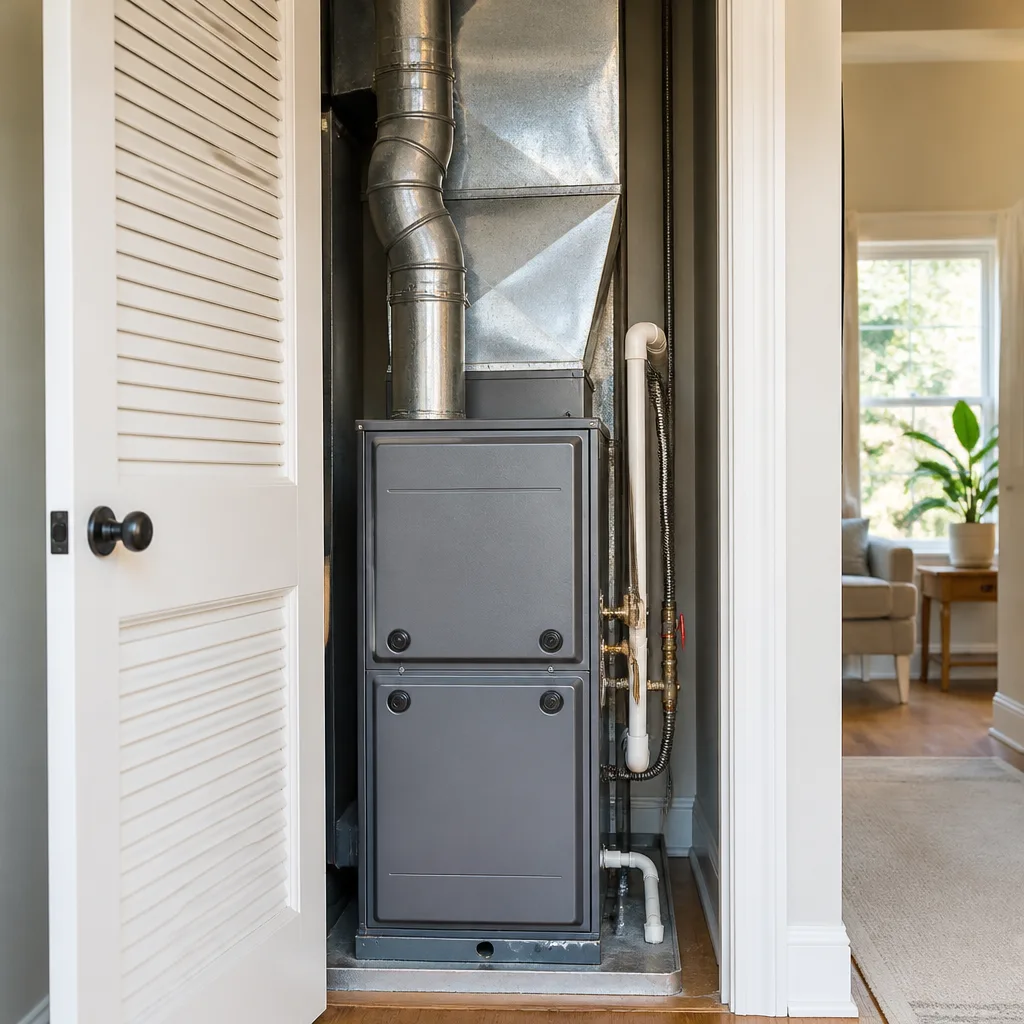 Furnace & heating
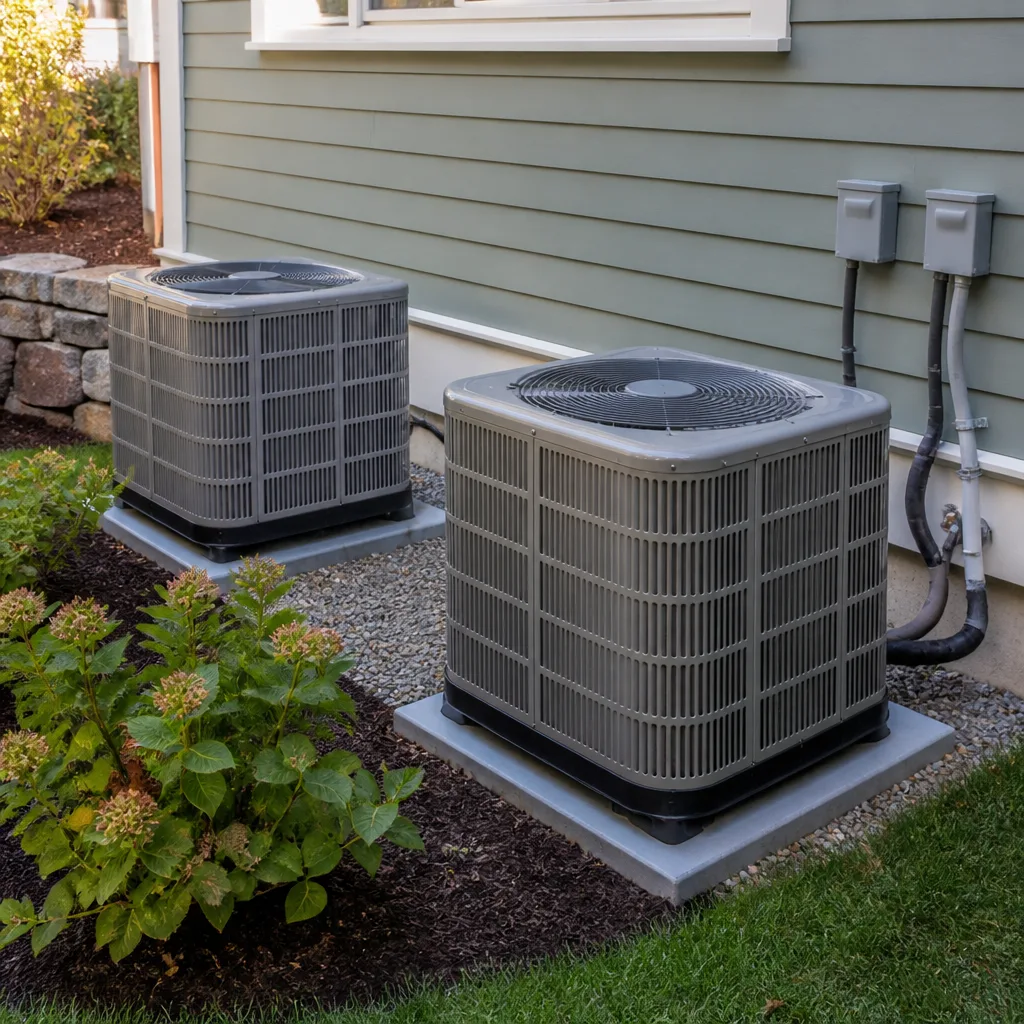 Heat pumps
 Ductless mini splits
 Carrier
 Trane
 Goodman
Seasonal tune-up and full diagnostic on your Carrier, Trane, or Goodman system - readings shown to you before any repair is proposed
Diagnosis first, numbers second - you approve the repair price before a single part goes in.
Get your free estimateChoosing the Right HVAC Brand: A Buyer’s Guide for Clearwater
Carrier and Lennox are both good brands. So are Trane, Rheem, Daikin, and the others on the list. The question isn’t which brand is best, because at the same efficiency tier they all cool a house. The question is which combination of brand, efficiency tier, and local service availability makes sense for your home and your budget. Most homeowners never get to ask that question, because the brand they’re quoted is simply the brand that dealer sells. This guide separates what brand choice actually affects from what it doesn’t, so you can make a decision in Clearwater instead of accepting a default one.
Quick Answer
There is no single best HVAC brand for Clearwater. Brand choice matters most for three things: warranty terms, local parts availability, and whether the contractor who installs it also services it. At the same efficiency tier, the quality of the installation affects your comfort and your energy bill far more than which logo is on the cabinet. Pick a contractor who works across multiple brands, compare warranties at equal efficiency, and you’ll get equipment that fits your home rather than someone’s sales quota.
Styles & brands we work with
- AC repair
- Furnace & heating
- Heat pumps
- Ductless mini splits
- Carrier
- Trane
- Goodman
Table of Contents
- Why Brand Loyalty Is Usually the Contractor’s Preference, Not Yours
- What Actually Varies Between Brands at the Same Efficiency Tier
- The Risk of a Brand Your Contractor Doesn’t Service
- Clearwater Humidity and Which Components Actually Hold Up
- How to Compare HVAC Warranties the Right Way
- Premium, Mid-Tier, or Budget: Which Tier Fits Your Clearwater Home?
- A Step-by-Step Way to Choose a Brand
- Pairing a Furnace and AC Without Breaking the Match
Why Brand Loyalty Is Usually the Contractor’s Preference, Not Yours
When a contractor recommends one brand for every house on the street, that’s a business arrangement, not a technical verdict. Single-brand dealers carry one line. They stock that line’s parts, train on that line’s equipment, and often get better pricing on it. None of that is dishonest, but it means the recommendation starts from the equipment the contractor chose to sell, not from what your square footage, ductwork, and budget actually call for.
Multi-brand access changes the starting point. When a company is certified to install and repair nine major manufacturers – Carrier, Trane, Lennox, Goodman, Rheem, York, Daikin, Bryant, and American Standard – the recommendation can come from the home outward. Two houses of the same size can reasonably get different recommendations, because efficiency needs, existing ductwork, and budget ceilings differ. A brand-agnostic diagnosis means the fix we recommend is based on what the house needs, not what’s easiest to sell.
Here’s what most homeowners don’t hear clearly enough: the equipment is a box of components. The installation decides how well those components perform together. A premium unit installed with a mismatched air handler or an undersized return will underperform a mid-tier system installed correctly. Brand matters, but it’s the third or fourth factor in the decision, not the first.
One practical note for Clearwater homeowners: the brand you buy today becomes the brand you service for the next decade or two. Long-term service access matters more than a small price difference up front, which is why we work on the brand you already have and help you choose wisely if you need something new.
What Actually Varies Between Brands at the Same Efficiency Tier
Put a Goodman and a Rheem of equal tonnage and efficiency side by side and the differences are real but narrower than the marketing suggests. Here are the factors that genuinely vary, and that are worth using to compare.
- Warranty terms. Compressor coverage, parts coverage, and whether labor is included vary by brand and by the specific product line, not just the brand name. A “10-year warranty” can mean ten years on parts only, with labor billed separately.
- Parts availability. When a part fails, the question is how fast your contractor can get it. Brands with strong dealer networks tend to have better local parts flow. A brand your contractor can’t source quickly can leave you waiting in July.
- Serviceability. Some designs make common repairs faster and cheaper. Control boards, blower motors, and coil access vary by model. That difference shows up on your service bill, not on the showroom floor.
- Reliability data. Independent repair-frequency reporting exists, but it’s brand and model specific and gets stale fast. Ask your contractor what they see coming back for repair most often on the brands they service – that’s more current than a five-year-old report.
- Noise levels. Sound ratings vary within brands as much as between them. If quiet operation matters to you, compare decibel ratings at the same efficiency tier.
What varies least is how well the equipment cools. Every major brand makes equipment that handles Clearwater summers when it’s sized and installed correctly. The differences between brands at the same tier are incremental; the differences between a good installation and a poor one are not.
The Risk of a Brand Your Contractor Doesn’t Service
Buying equipment from a contractor who doesn’t service that brand is a bigger risk than buying a brand with a slightly worse reputation. The equipment can be perfectly good. The problem is everything that happens after the truck leaves.
Warranty service can require the contractor to file claims through the manufacturer. A contractor who isn’t set up with that brand may hesitate to take the call, take longer to source parts, or decline the job entirely. In our experience, the homeowner ends up calling around to find someone who’ll work on a brand the original installer won’t support.
Here’s the practical split to watch for:
- A contractor offers you a brand you didn’t ask about because they specialize in it. Normal, and fine if the equipment fits your needs.
- A contractor offers one brand and one brand only. That’s a single-line dealership. Not wrong, but understand the recommendation is limited to what they carry.
- A contractor installs a brand they can’t service afterward. This is the one to avoid, no matter how good the equipment is.
Multi-brand certification solves this on both ends. When a company is certified across nine manufacturers, the equipment you buy is equipment the same team can repair later. Single-company accountability from installation through repair means you’re not the one who has to track down a servicer when a part fails.
Ask two questions before you sign: “Will you service this brand for the life of the system?” and “Do you stock or can you source parts for it locally?” If either answer is vague, that’s your warning.
Clearwater Humidity and Which Components Actually Hold Up
Clearwater’s climate is hard on certain parts of an HVAC system, and brand choice does affect which components last. The chapter that matters most is humidity. A system running long hours in a warm, humid climate puts more stress on the indoor coil, and on a system that cycles too often, the coil stays wet and struggles to drain properly. Warm, humid air moves through the evaporator coil constantly. That’s what makes coil quality and drain pan design among the more meaningful differences between brands at the same tier.
Coil construction is where you’ll see the real variation. Some manufacturers use all-aluminum coils; others use aluminum fins over copper tubing. Aluminum coils have become more common in residential systems and reduce the copper-to-aluminum joint failures that lead to refrigerant leaks. When two brands at the same tier differ, ask what the evaporator coil is made of and whether the coil coating carries a separate warranty. That’s the component most likely to decide whether you get fifteen years or seven out of a system here.
What to look for on Clearwater systems:
- Evaporator coil material. All-aluminum coils tend to handle long humid runtime better than older copper-and-aluminum designs. Ask what’s in the unit you’re quoted.
- Drain pan and condensate management. In heavy summer humidity, the drain pan handles a lot of water. Poorly designed pans trap moisture and give algae a place to grow. Look for a pan that drains fully.
- Cabinet finish. Painted or coated cabinets resist the moisture that stays in the air here better than bare steel. The equipment sits in a garage, attic, or exterior closet, all of which see humidity.
- Filter-and-coil access. A system that’s easy to clean stays efficient. If you can’t reach the coil to clean it, dust and biological growth build up and cut capacity.
We recommend asking any contractor what coil material and drain pan design they see fewer problems with on their brands. The answer, more than the brand name, tells you who’s actually paying attention.
How to Compare HVAC Warranties the Right Way
Warranties are where brand differences get the most confusing, and where homeowners get misled. The words on the brochure rarely match the coverage that actually gets paid out. Compare warranties on four dimensions.
- Registered vs. unregistered coverage. Many manufacturers offer a longer warranty if the equipment is registered with them shortly after installation. Miss the registration window and the warranty drops to a shorter default term. Ask who registers the equipment and get proof it was done.
- Parts-only vs. parts-and-labor. A 10-year parts warranty sounds great until you find out labor isn’t covered. On a compressor replacement, labor can approach the cost of the part. Ask specifically what labor is covered and for how long.
- What “lifetime” actually means. A “lifetime compressor warranty” typically covers the compressor, not the whole system, not labor, and sometimes only the original purchaser’s tenure in the home. Read the term: lifetime of the equipment, lifetime of ownership, or a defined number of years. They are not the same.
- Exclusions. Rust, corrosion, coils in certain environments, and labor for diagnosis are common exclusions. In a humid climate, read the coil and corrosion exclusions carefully.
Compare at the same efficiency tier. Comparing a premium line’s registered warranty to a budget line’s unregistered warranty tells you nothing. Line up two systems at similar efficiency and compare like to like.
One more: the installing contractor’s own labor warranty matters as much as the manufacturer’s. Ask how long the contractor covers the workmanship. A good installation with a clear workmanship warranty beats a slightly better manufacturer warranty installed poorly.
Premium, Mid-Tier, or Budget: Which Tier Fits Your Clearwater Home?
Within a brand, the tiers are usually good, better, best. The variance between tiers is often larger than between brands at the same tier. Here’s a practical way to decide.
When premium makes sense
Premium-tier equipment is worth the extra spend when you plan to stay in the home a long time, when noise matters, and when you want the highest efficiency available and the energy savings to match. Premium lines tend to have better sound ratings, better dehumidification control, and longer warranty terms. In Clearwater’s long cooling season, a high-efficiency unit runs more hours, so the efficiency difference pays back faster than it would in a mild climate.
When mid-tier is the sweet spot
Mid-tier is where most Clearwater homes land. You get solid efficiency, good parts availability, and reasonable warranty terms without paying for features you won’t use. If your ducts are average, your home is reasonably well sealed, and you plan to stay a while, mid-tier gives you the best balance of cost and comfort. Upgrade only if a specific need – noise in a bedroom-adjacent closet, or high electricity bills that point to efficiency – justifies it.
When budget-tier is fine
Budget-tier equipment is a reasonable call in a rental, a home you plan to sell soon, or when the rest of the system (ductwork, insulation, windows) caps what a premium unit can achieve anyway. A high-efficiency unit installed on leaky ducts won’t deliver its rated efficiency. If the envelope limits performance, don’t pay premium prices for capacity you can’t use.
The honest answer to “which tier” comes from your contractor’s load calculation and a look at your existing ductwork, not from the showroom. A proper heat load calculation, not a rule-of-thumb per square foot, is the starting point for any tier decision.
A Step-by-Step Way to Choose a Brand
Here’s the sequence we recommend to any Clearwater homeowner starting the search. It moves the brand decision to the end, after the factors that actually change outcomes.
- Get a load calculation. Before any brand discussion, the contractor should calculate the right size for your home, not eyeball it. An oversized system short-cycles, doesn’t properly dehumidify, and wears out faster.
- Inspect the existing ductwork. Duct condition caps what any new equipment can achieve. If the ducts leak or are undersized, the brand doesn’t matter.
- Ask what the contractor services. Multi-brand is better than single-brand for long-term service, because the equipment you buy is equipment they can repair.
- Compare two or three proposals at the same efficiency tier. Ignore proposals at different tiers; they aren’t comparable.
- Compare warranties line by line. Parts, labor, compressor, coil, and registration requirements. Write down what’s covered for how long.
- Ask about parts availability. How quickly can they source the most common failure parts for the equipment they’re proposing?
- Read the written estimate. The price is set by the written estimate, and you should never sign one you don’t fully understand.
This sequence is what brand-agnostic diagnosis looks like in practice. When a company can install and repair equipment from multiple manufacturers, the recommendation comes from the steps above rather than from a dealership agreement.
Pairing a Furnace and AC Without Breaking the Match
If you have a furnace and an air conditioner sharing an air handler and duct system, the two systems have to be matched. The wrong pairing costs efficiency and can shorten the life of both units. A mismatched system might cool the house and heat it fine separately, but the airflow they share and the coil sitting above the furnace have to be engineered together.
This is where AC-only contractors hit a wall. They can install a new air conditioner, but matching a new furnace to it – or replacing a furnace and getting the existing AC to work with the new blower and coil – needs a contractor who handles both heating and cooling. Otherwise, you’re coordinating between two vendors who blame each other when something doesn’t work.
Furnace replacement expertise paired with AC installation capability means the same team can right-size and pair the two systems. That’s the piece a lot of Clearwater homeowners end up missing, and it’s why we cover both sides of the trade: AC installation and furnace repair and replacement. When we’re choosing equipment across nine brands, we can pick a combination that matches the home, both systems, and the budget, without a separate vendor in the middle.
Winters in Clearwater are mild, which means the furnace gets fewer hours than the AC. The priority in that pairing should be efficiency and matching on the cooling side, with a furnace that fits the home’s heating load. Don’t over-spend on a heating match you’ll rarely use; don’t under-spend either, because the furnace blower affects cooling airflow too.
Common Mistakes to Avoid
- Choosing the brand before choosing the contractor. The installation and the contractor’s service capability matter more than the nameplate. Pick the contractor first; the brand follows.
- Comparing warranties across different efficiency tiers. That comparison tells you nothing. Compare like-for-like at the same tier.
- Buying a brand your contractor doesn’t service. Even great equipment is a problem if no one local will repair it under warranty or source parts promptly.
- Trusting “lifetime” compressor warranties without reading the terms. They typically cover the compressor only, exclude labor, and may expire when you sell the home.
- Paying for premium equipment on undersized or leaky ductwork. High efficiency on bad ducts is money spent on capacity you’ll never see on your bill.
- Skipping the registration step after install. Many manufacturer warranties drop to a shorter default term if the equipment isn’t registered promptly. Confirm yours is filed.
- Ignoring the coil material in a humid climate. In Clearwater’s humidity, coil design and drain management decide how long the equipment lasts. Ask before you buy.
See the difference
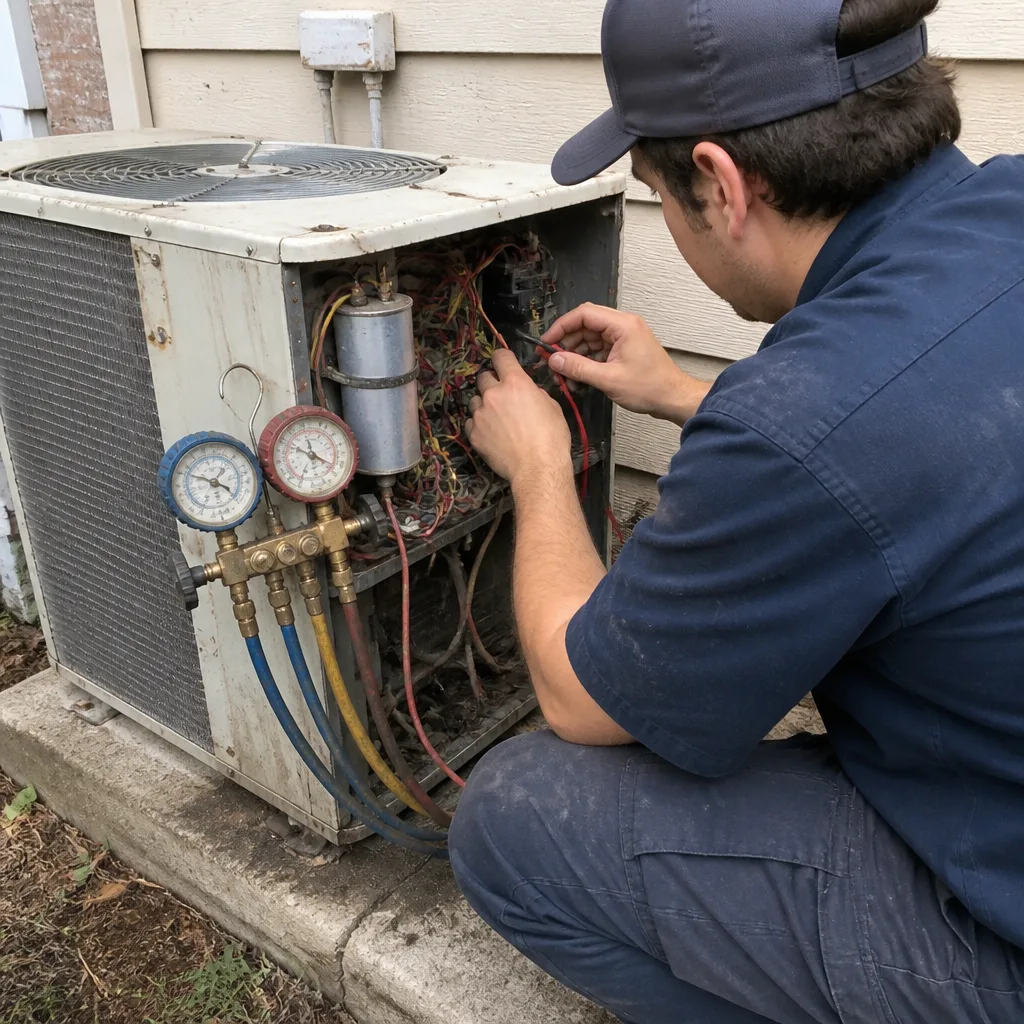 Before
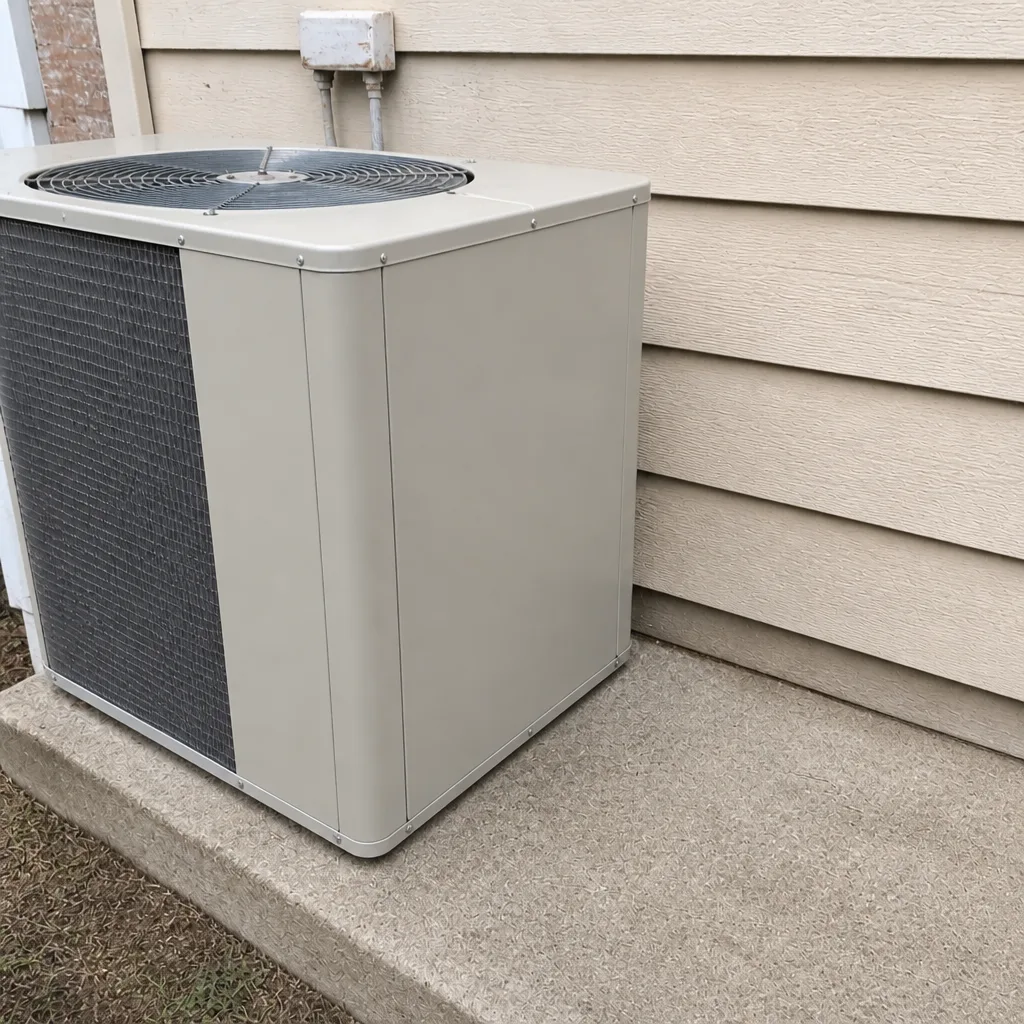 After
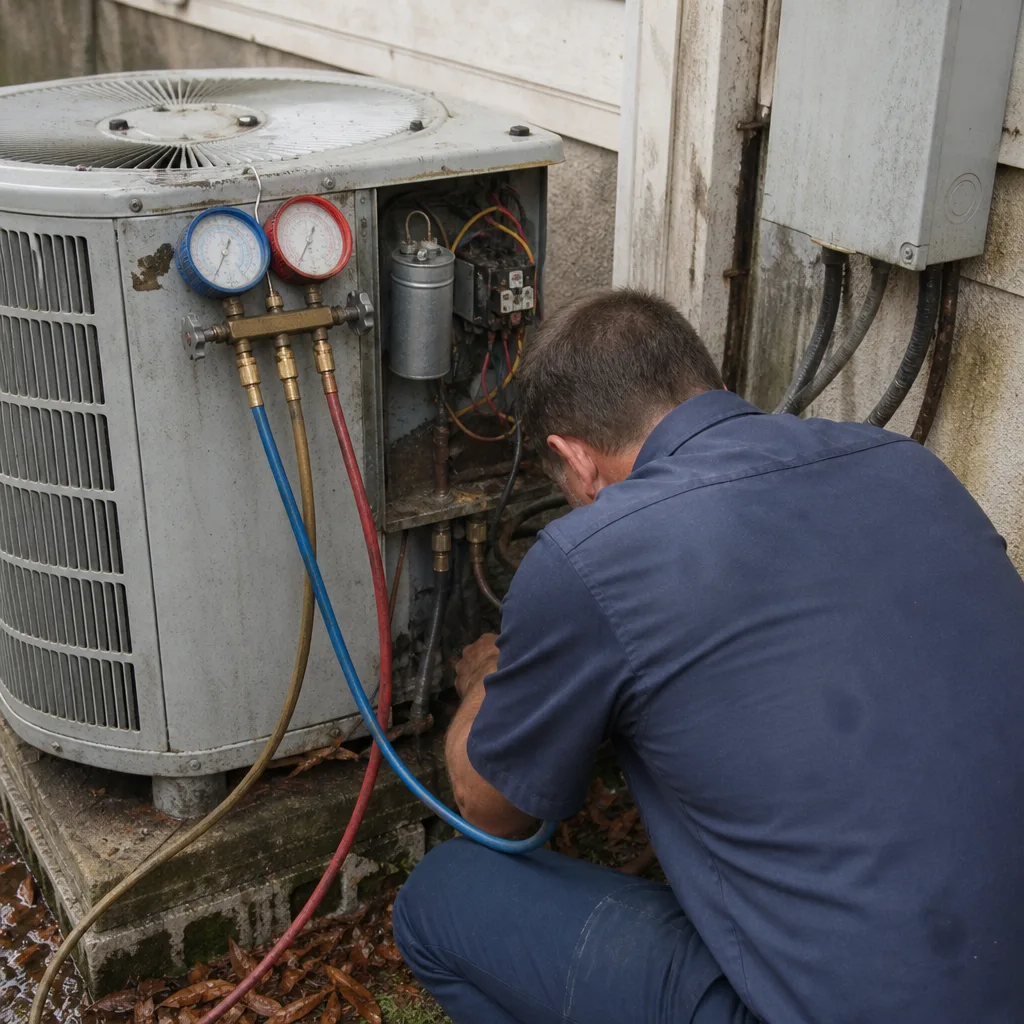 Before
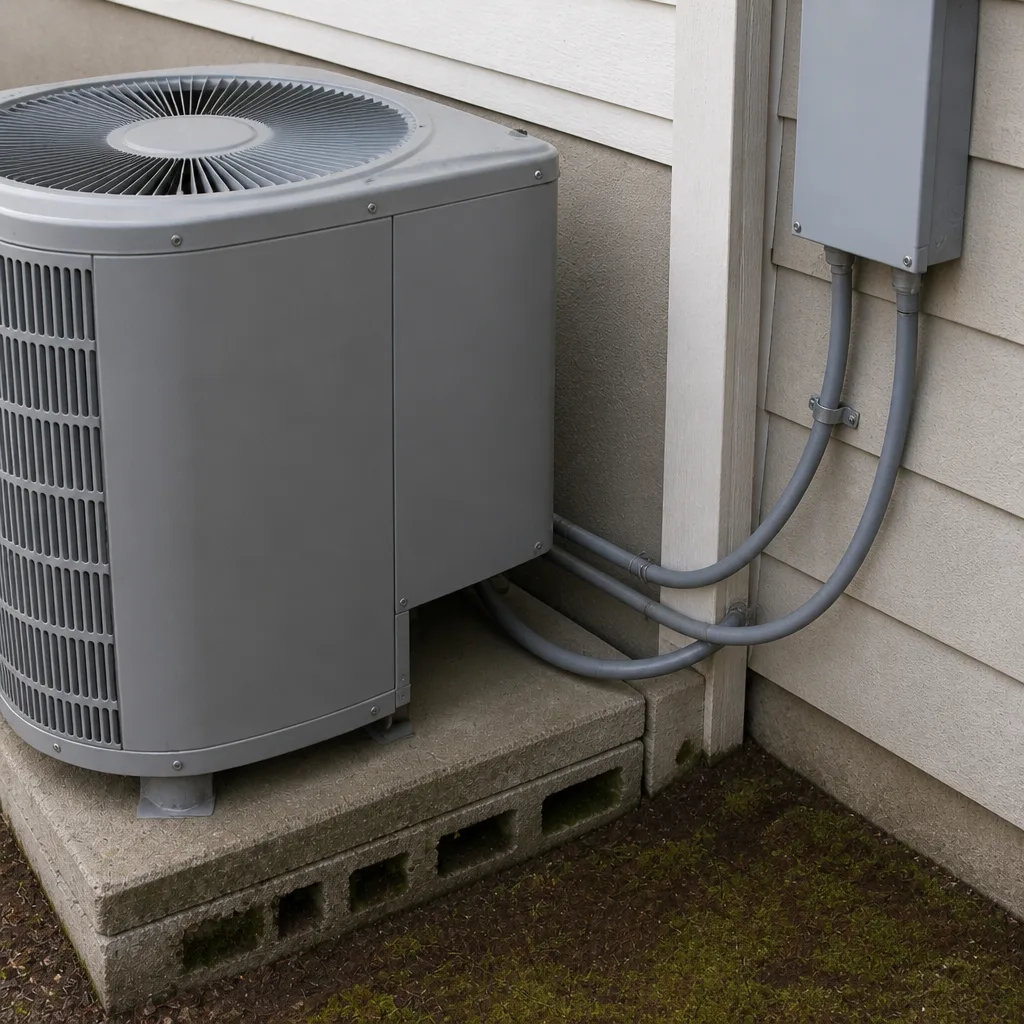 After
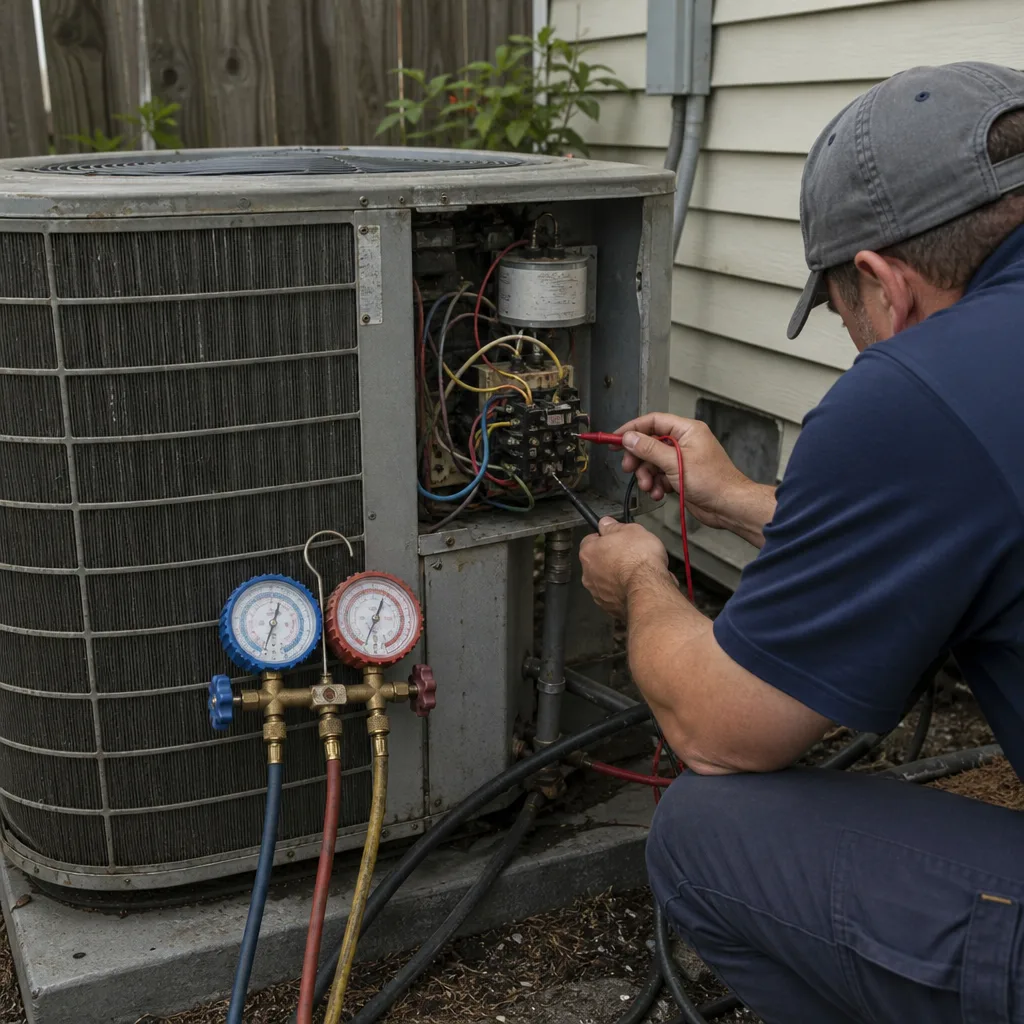 Before
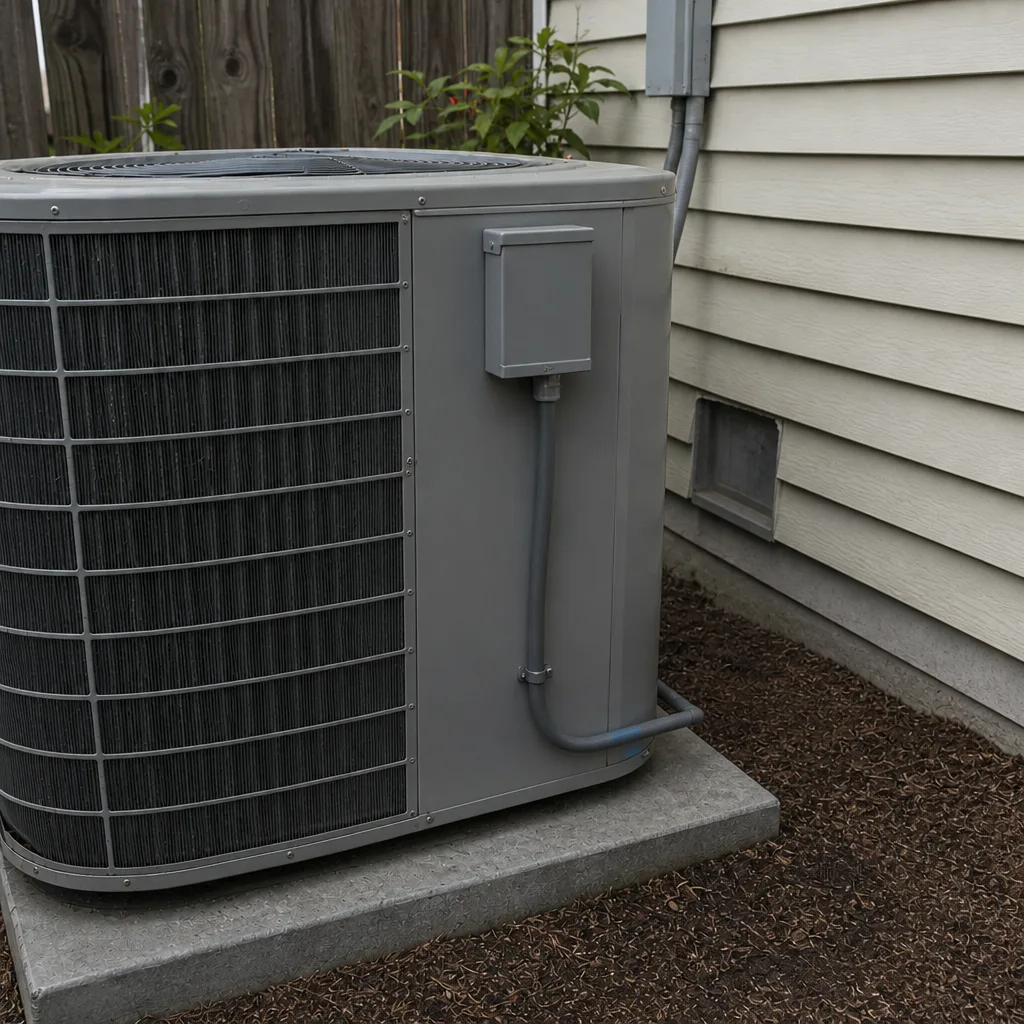 After
When to Call a Professional
You need a professional when you’re choosing equipment, not when you’re guessing at it. A load calculation, a duct inspection, warranty comparison, and a written estimate are all things a trained technician should handle. If your existing system is over ten years old and needs frequent repairs, if you’re deciding between repair and replacement, or if you’re replacing a furnace and an air conditioner together, call before you buy anything.
Call us when you want a recommendation that’s brand-agnostic, when you’ve been quoted one brand and want to know whether it’s the right fit, or when nobody will service the brand you already own. Millbrook AC Repair offers free estimates in Clearwater. Our technicians have up to 10 years of experience across nine major brands, and we see the job through from furnace repair to full AC installation. Call (855) 360-7082.
Frequently Asked Questions
There isn’t one. At the same efficiency tier, Carrier, Trane, Lennox, Goodman, Rheem, York, Daikin, Bryant, and American Standard all make equipment that can handle Clearwater’s heat and humidity when it’s sized and installed correctly. Brand choice matters more for warranty terms, parts availability, and who services the equipment after install than for raw cooling performance.
Less than most people think. At the same efficiency tier, the differences are incremental: warranty terms, parts availability, serviceability, noise, and coil design. The installation quality, ductwork condition, and load calculation affect your comfort and energy bill more than the brand name.
It means the recommendation is limited to what they carry. A single-brand dealer sells the one line they stock, which may not be the best fit for your home or budget. A contractor working across multiple brands can recommend based on your home’s needs instead of the equipment they stock.
Compare at the same efficiency tier, and compare on four dimensions: registered vs. unregistered coverage, parts-only vs. parts-and-labor, whether the compressor warranty covers labor, and the exclusions (especially coils and corrosion). Register your equipment after installation or the warranty may drop to a shorter default term.
Yes when you plan to stay, want quiet operation, or want the highest efficiency available. Clearwater’s long cooling season means high-efficiency equipment runs more hours, so efficiency gains pay back faster than in a mild climate. If your ductwork is poor, upgrade the ducts first.
We’re certified to install and repair Carrier, Trane, Lennox, Goodman, Rheem, York, Daikin, Bryant, and American Standard. If you buy from one of those nine brands, we can be your long-term service partner for the life of that equipment. If your brand is outside that list, call and we’ll tell you honestly what we can and can’t do.
The Bottom Line
Brand loyalty in HVAC is usually the contractor’s preference, not yours. What actually varies between brands at the same tier is warranty terms, parts availability, serviceability, noise, and coil design. What doesn’t vary is that every major brand will cool a home when it’s sized and installed correctly. Choose a contractor who works across multiple brands, compare warranties at equal efficiency, match the tier to your home and how long you plan to stay, and check coil design before you buy in a humid climate. Pick your contractor first. The brand follows.
Call Millbrook AC Repair at (855) 360-7082 for a free estimate. We work across nine major brands, cover both heating and cooling, and tell you what your system needs, not what’s easiest to sell. We answer 24/7. Fast dispatch from 7am to 7pm, Sunday through Friday.
Written by the team at Millbrook AC Repair.