
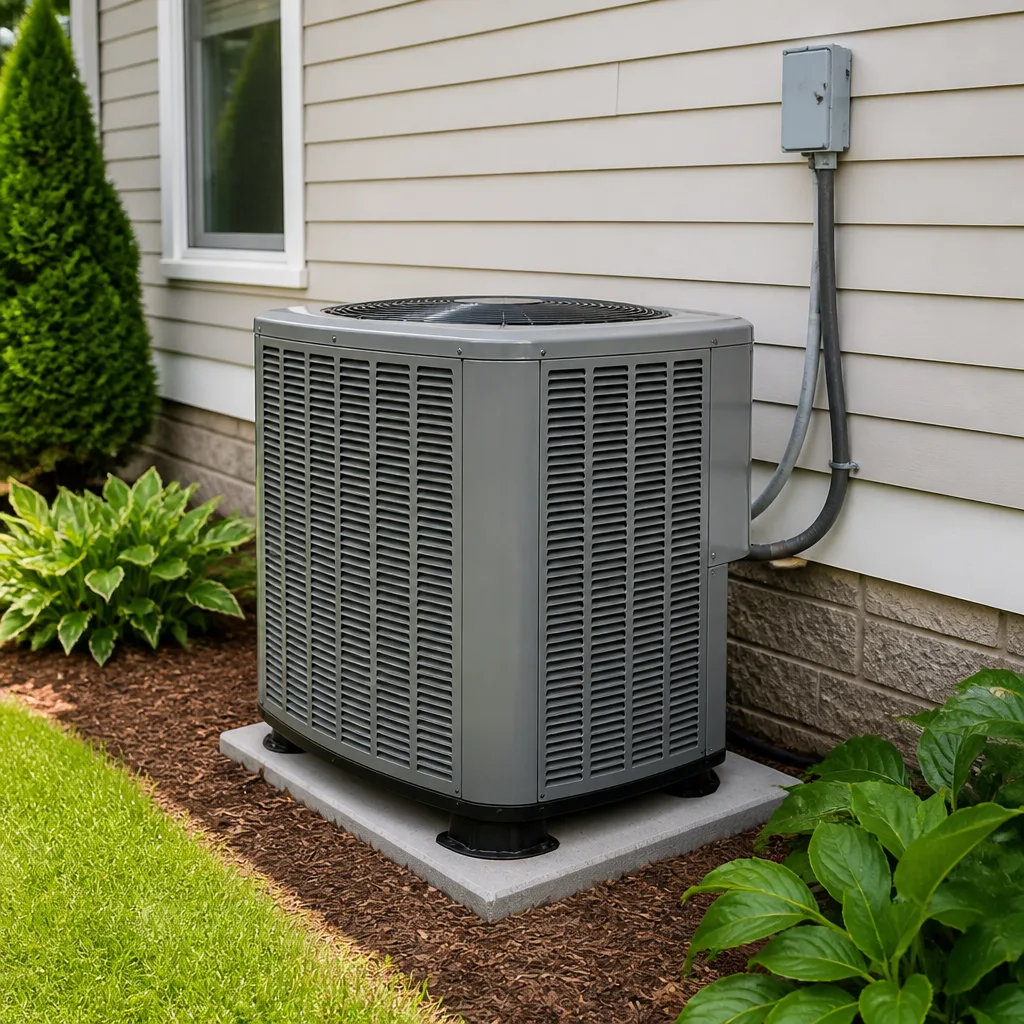
Last updated November 16, 2026
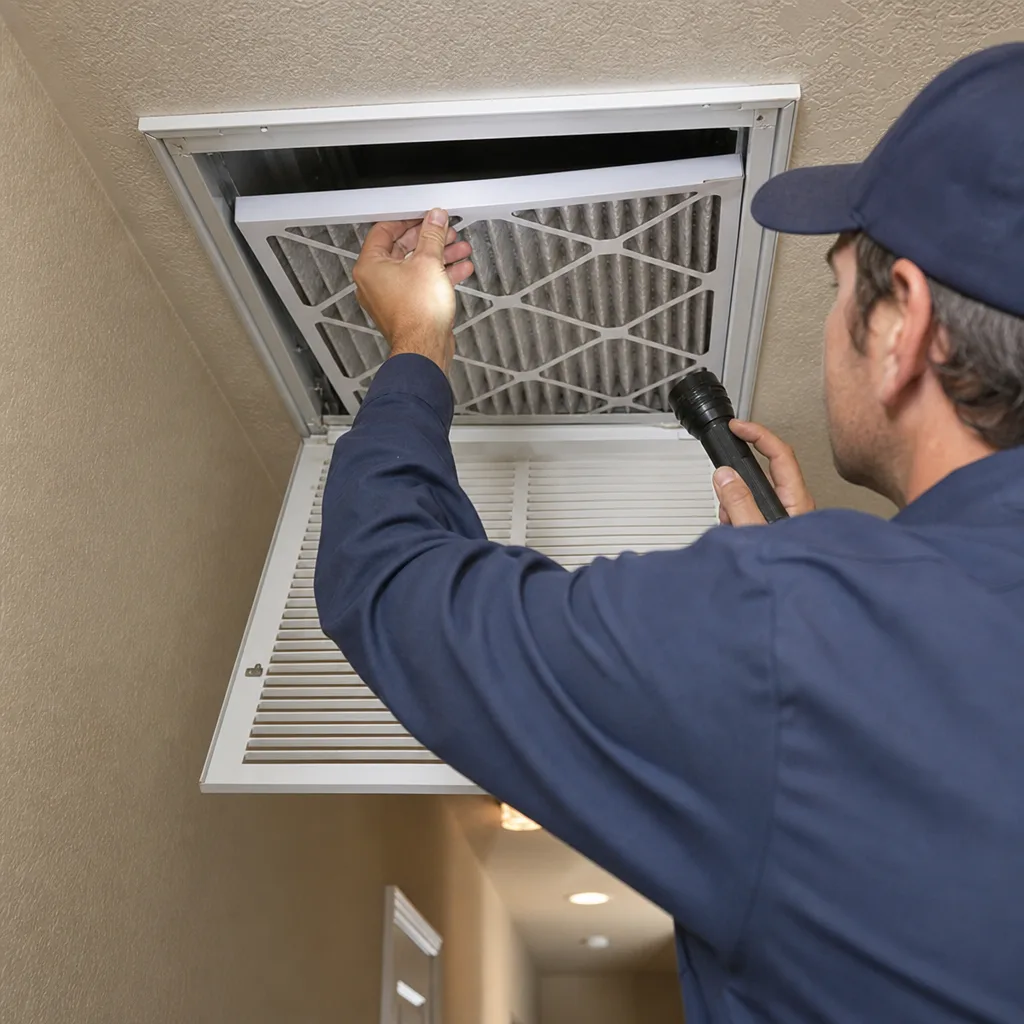
 AC repair
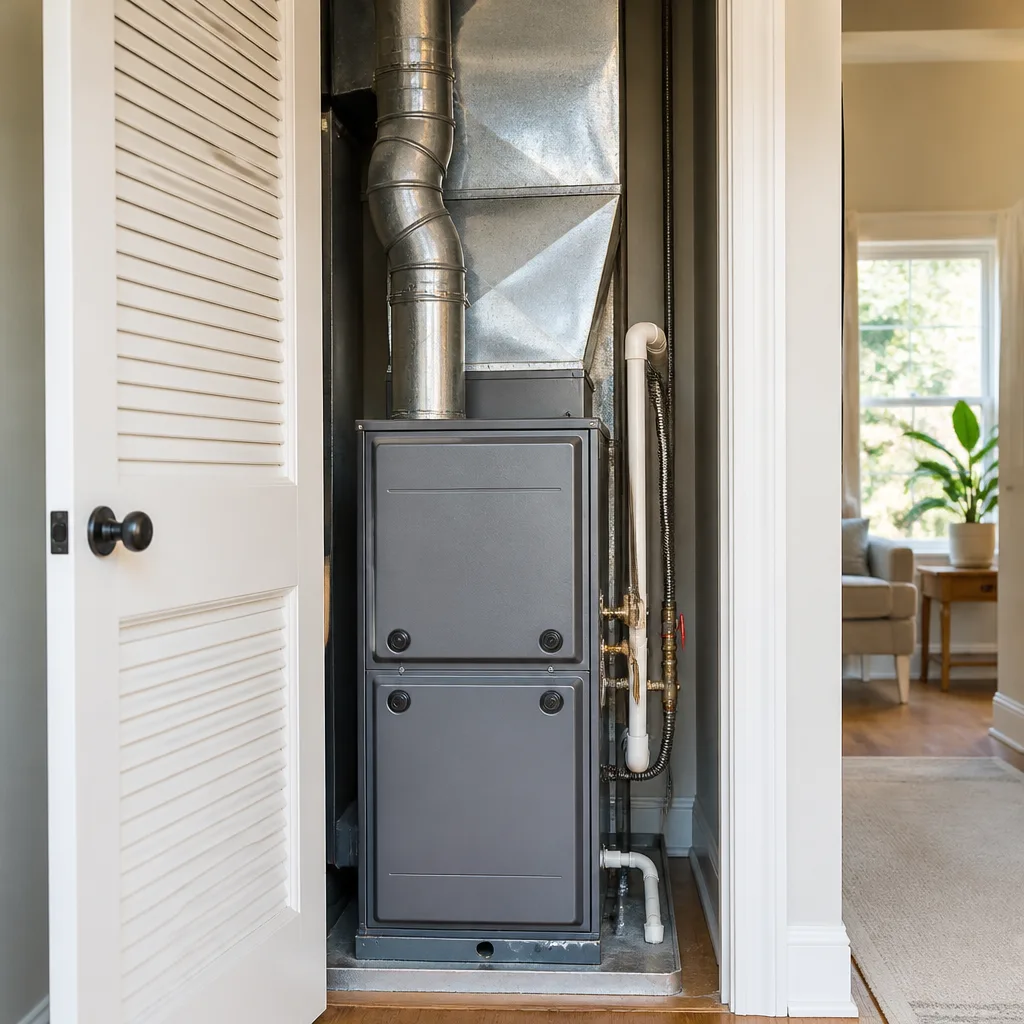 Furnace & heating
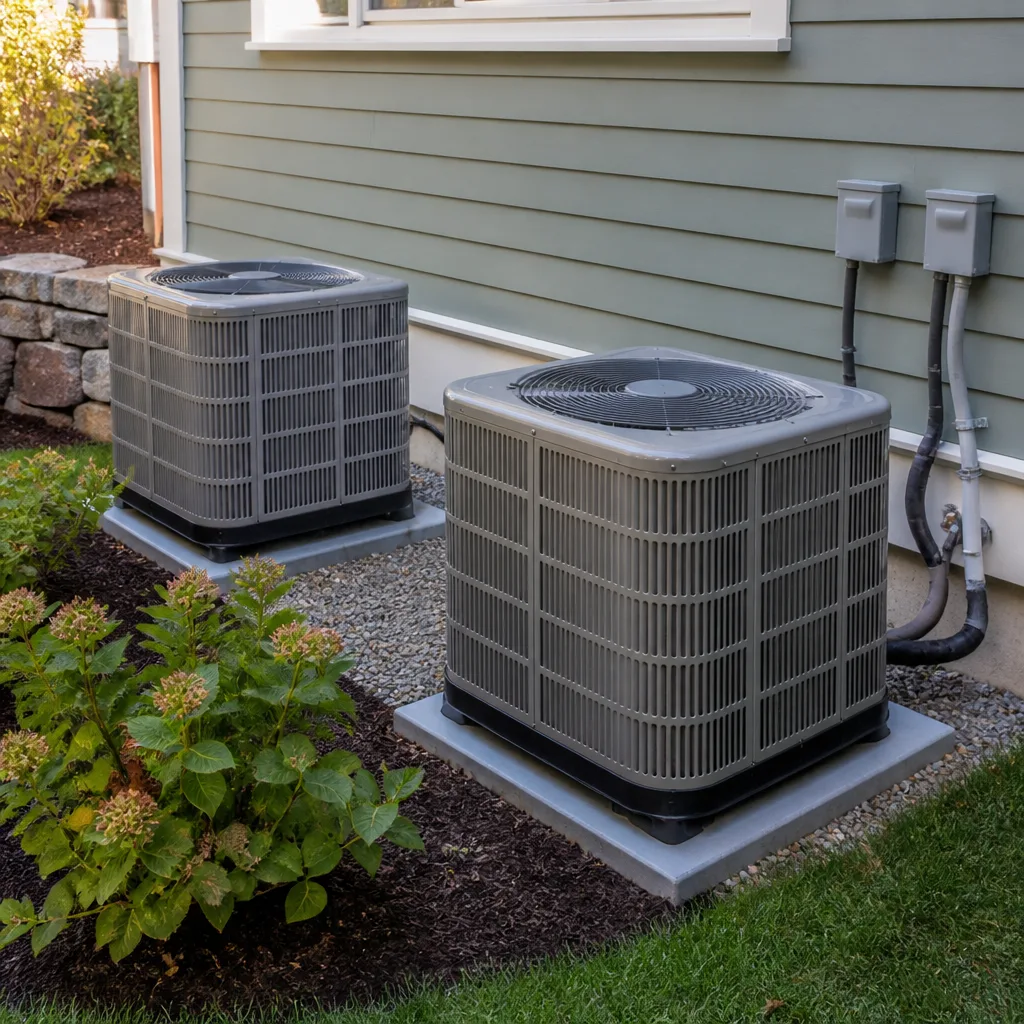 Heat pumps
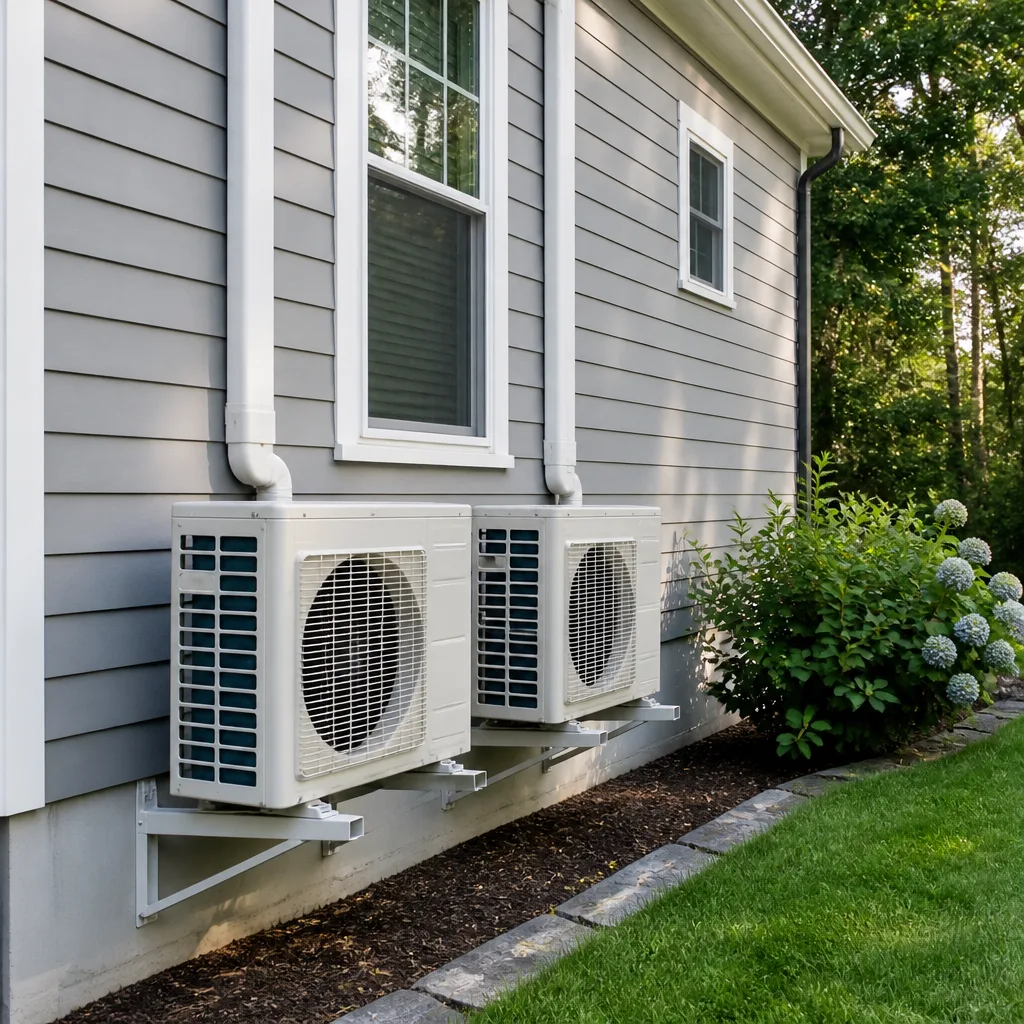 Ductless mini splits
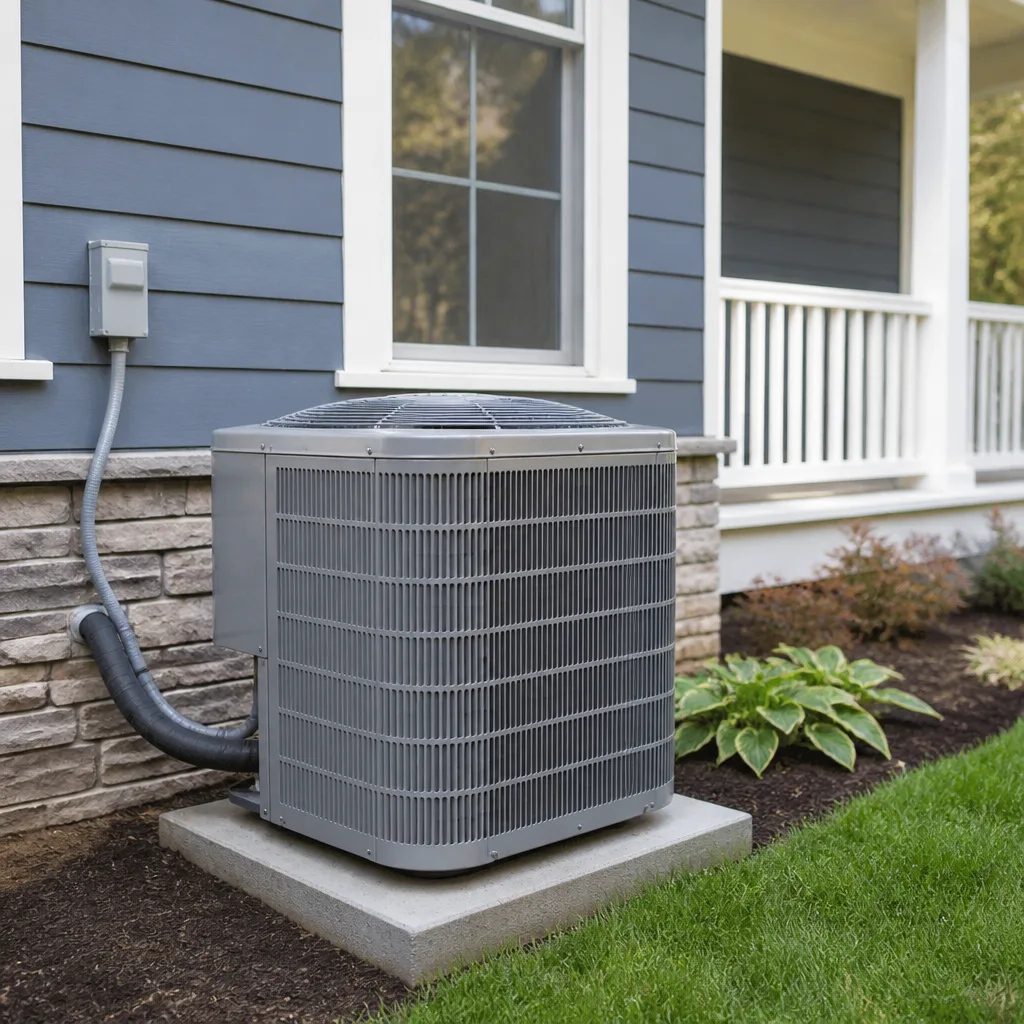 Carrier
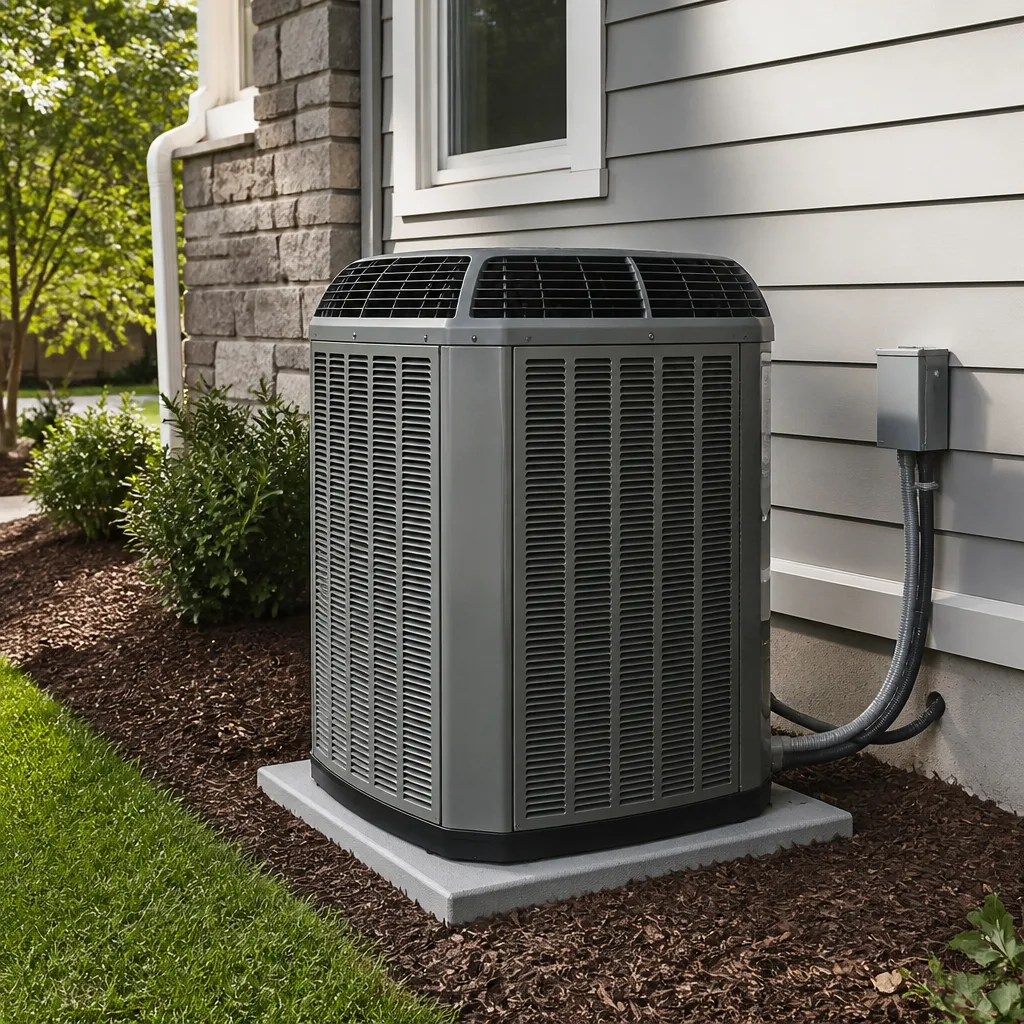 Trane
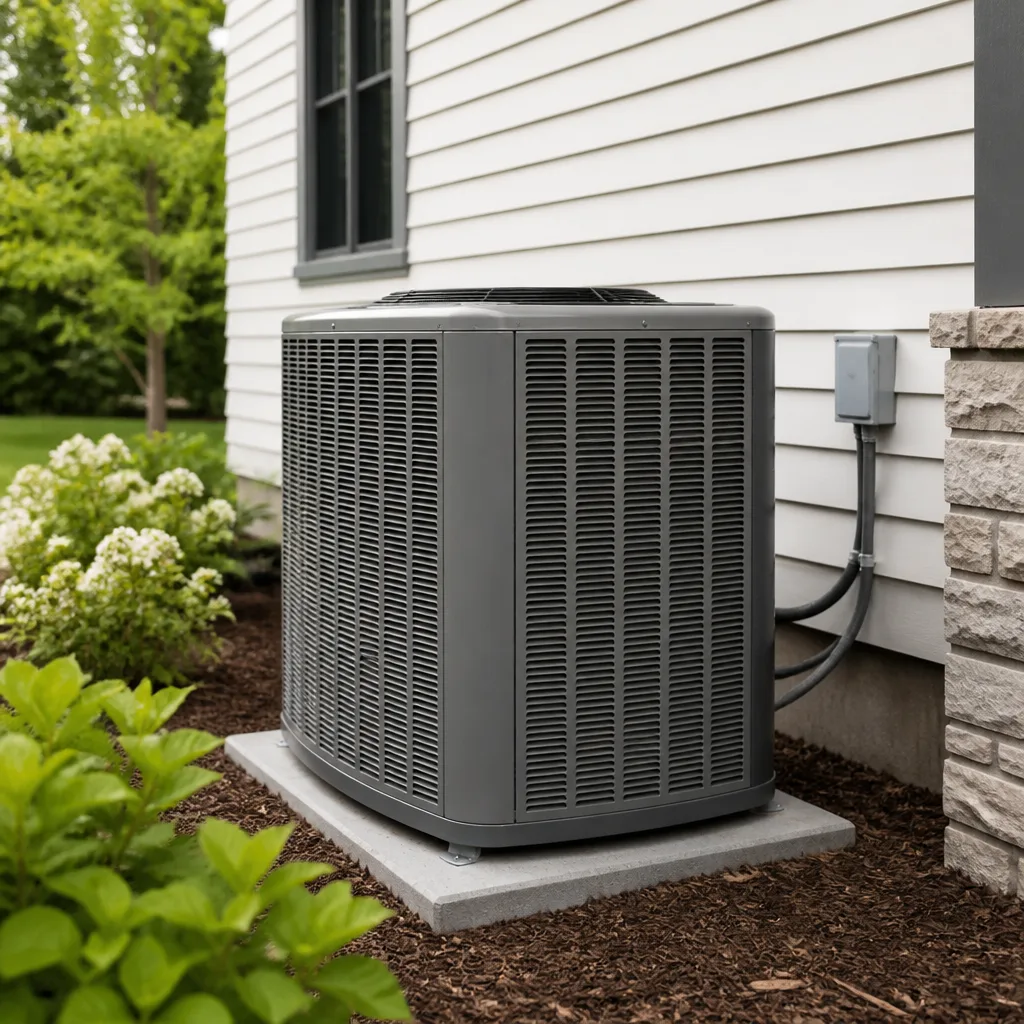 Goodman
Seasonal tune-up and full diagnostic on your Carrier, Trane, or Goodman system - readings shown to you before any repair is proposed
Diagnosis first, numbers second - you approve the repair price before a single part goes in.
Get your free estimateHow to Hire an HVAC Contractor in Clearwater: A Step-by-Step Guide
If a contractor gives you a quote without measuring your square footage, checking your duct condition, or asking how old your electrical panel is, they already told you everything you need to know, and it’s not good. Most homeowners hire HVAC contractors by comparing three numbers on a page. But a number without the measurements behind it is just a guess dressed up as a proposal. In this guide, we’ll walk you through what Florida licensing actually looks like, how to tell a brand-exclusive dealer from a multi-brand contractor, the five questions to ask before you sign, and how to read a quote the same way a technician does. Clearwater summers are long and humid, so the system you choose has to carry you through months of hard work.
Quick Answer
To hire an HVAC contractor in Clearwater, verify their Florida state license on the DBPR website, confirm they carry insurance, ask which brands they’re authorized to install, and insist that the written quote includes a room-by-room load calculation and a line for the permit. A legitimate contractor will hand over all of that without hesitation. Skip anyone who won’t.
Styles & brands we work with
- AC repair
- Furnace & heating
- Heat pumps
- Ductless mini splits
- Carrier
- Trane
- Goodman
Table of Contents
- Step 1: Verify the Contractor’s Florida HVAC License
- Step 2: Understand Brand-Exclusive Dealers vs. Multi-Brand Contractors
- Step 3: How to Read a Bid Like a Technician
- Step 4: Five Questions to Ask Before You Sign Anything
- Step 5: Who Pulls the Permit? (The Litmus Test)
- Step 6: Load Calculation and Commissioning Documents
- Step 7: What Post-Install Accountability Looks Like
- Common Mistakes to Avoid
- When to Call a Professional
- Frequently Asked Questions
Step 1: Verify the Contractor’s Florida HVAC License
Every HVAC contractor working in Florida must hold a state license, and you can check it in under two minutes on the Florida Department of Business and Professional Regulation (DBPR) website. Air conditioning work is a licensed trade in this state. Anyone who tells you otherwise is either misinformed or hoping you won’t check.
Here’s the process:
- Go to the DBPR license verification page and search by the contractor’s business name or license number.
- Confirm the license type. HVAC work falls under a Class A or Class B air conditioning license, or a certified mechanical contractor license. A general contractor license does not authorize HVAC work on its own.
- Check the status. “Current, Active” is what you want. “Delinquent,” “Suspended,” or “Null and Void” are all reasons to walk away.
- Look at the expiration date. A current license should have a valid renewal date showing.
- Confirm insurance and workers’ comp where the DBPR lists them. Ask the contractor for a current certificate of insurance naming you as the certificate holder, and call the insurer to confirm it’s active.
This matters in Clearwater because the market draws a crowd. Storm season brings out contractors from other counties looking for quick installation work, and some of them aren’t licensed to operate in Pinellas County at all. The database doesn’t care how convincing a sales pitch is. It only shows what’s on record.
A licensed contractor carries liability insurance and workers’ comp. If a technician is injured on your property and the company has no workers’ comp coverage, that’s your problem, not theirs. License verification is the fastest way to screen them out before you ever invite one into your home.
Step 2: Understand Brand-Exclusive Dealers vs. Multi-Brand Contractors
This is the section most hiring guides skip, and it may be the most consequential decision you make.
A brand-exclusive dealer carries one manufacturer’s equipment. That exclusivity comes with training, support, and sometimes better pricing on their one line. But it also comes with an incentive: when every quote has to be a Carrier system or a Trane system, the contractor has no reason to recommend anything else. You get the equipment they’re authorized to sell, not necessarily the equipment that fits your home best.
A multi-brand contractor works across several manufacturers. In our case, that means we’re trained and equipped to install and repair equipment from Carrier, Trane, Lennox, Goodman, Rheem, York, Daikin, Bryant, and American Standard. Brand-agnostic diagnosis is a different posture: the recommendation is based on what your home actually needs, because no single brand has to be on the truck.
Here’s what that distinction looks like in practice:
- Equipment matching. A two-story Clearwater home with a west-facing wall of glass has different cooling demands than a single-story ranch with mature tree shade. A multi-brand contractor can pair a variable-speed Bryant condenser for the sun-baked side of the house with a standard-efficiency Daikin system for the shaded zone.
- Budget fit. Not every homeowner needs premium equipment. A brand-exclusive dealer may not have a value-priced line to offer. A multi-brand contractor can present Goodman and American Standard as two honest options at different price points.
- Service after the sale. If the company that installed your Carrier unit won’t service a competitor’s brand, you’re stuck. We work on the brand you already have, and help you choose wisely if you need something new. That includes AC installation and furnace work for any of the nine brands we cover.
Ask the contractor directly: “Which manufacturers are you an authorized dealer or servicer for?” Write the answer down. If they name one brand, that’s fine, but understand what you’re signing up for.
Step 3: How to Read a Bid Like a Technician
A quote is a technical document. Read it that way.
Every legitimate HVAC quote for a Clearwater home should include these line items, at a minimum:
- Equipment model and capacity. The full model number and tonnage. If it says “3-ton unit” and nothing else, ask for the manufacturer spec sheet.
- SEER2 rating. The efficiency rating of the condenser. In Florida’s climate, SEER2 numbers matter for your electric bill across roughly eight months of cooling load.
- Load calculation. A room-by-room Manual J load calculation, not a rule-of-thumb square-footage guess. We’ll cover this in detail below.
- Ductwork condition assessment. Even if no duct work is included, a written note about the current duct condition should be there.
- Electrical requirements. The amps the new system will draw, and whether your existing panel can supply it. Older Clearwater homes sometimes need a panel upgrade, and the bid should disclose that.
- Refrigerant line condition. Whether existing lines will be reused or replaced, and the line size.
- Permit line item. A separate line for the county permit fee. If the permit isn’t listed, it’s either baked into the equipment line or it isn’t being pulled.
- Flush, evacuation, and startup. A technician should pull a vacuum on the lines and document the micron reading. Ask to see the commissioning sheet after installation.
- Warranty terms. Manufacturer parts warranty and labor warranty stated separately, with the duration and any conditions.
- Total price and payment schedule. What you pay up front, what you pay at commissioning, and what happens if the system doesn’t perform.
Vague language signals a lowball bid that will grow before it shrinks. Watch for phrases like “minor duct adjustments as needed,” “upgrades if required,” or “standard installation” with no definition of standard. If the quote has a big round number and a short paragraph, ask for a line-item version.
Compare bids on documentation, not just on the bottom line. A $5,500 quote with a full load calculation and a permit line can be a better deal than a $4,800 quote that skips both.
Step 4: Five Questions to Ask Before You Sign Anything
Every hiring guide gives you a list. Here are five, and they’re the ones that actually predict whether the job will go well.
- “What’s your Florida license number, and can I verify it?” A real contractor hands it over immediately. A hesitant contractor is telling you something.
- “Will you provide a Manual J load calculation?” Ask to see a sample. If they don’t know what a load calculation is, they’re sizing your system by square footage alone, and you’ll end up with equipment that’s too big and short-cycles through Clearwater’s humidity.
- “Who pulls the permit?” The answer must be: “We do.” Any other answer is a red flag. Covered in detail below.
- “Are you an authorized dealer for one brand or multiple?” This tells you whether you’ll get a brand-matched recommendation or the same equipment they sell to everyone.
- “What happens if the system doesn’t perform as quoted?” Good answers include a commissioning walkthrough, a signed performance confirmation, and a clear callback timeline. Bad answers involve the word “should.”
Ask all five before signing. Take notes. A contractor who’s genuinely good at this work will appreciate a homeowner who does their homework.
Step 5: Who Pulls the Permit? (The Litmus Test)
If you only ask one question from this guide, ask this one. “Who pulls the permit?”
In Pinellas County, replacing or installing a new AC system requires a permit. The permit triggers an inspection by a county building inspector, who confirms the installation meets Florida Building Code and the manufacturer’s specifications. That inspection protects you. It confirms the unit is properly anchored, the electrical is correct, the condensate drain is up to code, and the system is commissioned correctly.
A contractor who pulls the permit: protects you, puts the work on record, and accepts that an inspector will look at the install. A contractor who asks you to pull the homeowner permit, or who suggests the permit “isn’t really necessary for a like-for-like swap,” is telling you they don’t want a third party looking at their work.
Some of the most common HVAC issues around Clearwater come from unpermitted work: condensate drains that weren’t sloped correctly (and now soak a closet), electrical connections that don’t meet code, or a system installed without a thermostat wire rated for the outdoor humidity. Those problems can surface years later, and they’re the homeowner’s financial responsibility when the permit was never pulled.
Ask the question. Look for the permit line on the bid. Confirm the contractor will schedule the inspection with the county. That’s the test. A company that passes this one is usually solid on everything else.
Step 6: Load Calculation and Commissioning Documents
Two documents separate a professional installation from a fast one: the load calculation and the commissioning sheet.
The load calculation is a room-by-room analysis of how much heat your home gains and loses. In Clearwater’s climate, that analysis has to account for window orientation, insulation levels, ceiling height, and internal heat sources. A rule-of-thumb estimate based on square footage overshoots in some homes and undershoots in others. In humid climates, an oversized system cools the air quickly but doesn’t run long enough to remove moisture. You end up with a cold, clammy house and a system that cycles on and off.
The commissioning sheet is what the technician fills out on install day. It documents:
- Refrigerant charge verification (superheat and subcool readings)
- Static pressure readings on the air handler
- Temperature split between return and supply air
- Vacuum and evacuation results before charging
- Thermostat programming and homeowner walkthrough
Ask for both documents before you sign the final check. Ask for the load calculation with the quote, so you can see what the equipment is sized to. Ask for the commissioning sheet at the end of the install. A contractor who hands these over without being asked is the one you want.
This also matters for furnace repair and furnace replacement work. Heating equipment in North Pinellas doesn’t run often, but when it does, an incorrectly sized furnace will short-cycle and wear out faster than a properly matched one. And matching heating and cooling equipment together (a right-sized furnace paired with an AC system sized to the same load) is a service most AC-only shops can’t offer. That’s why we handle both under one company: one crew, one call.
Step 7: What Post-Install Accountability Looks Like
Installation day is not the finish line. It’s the start of a relationship with equipment that should last 12 to 15 years. Here’s what real accountability looks like after the system goes in:
- Walkthrough at commissioning. The technician walks you through the thermostat, the filter schedule, the breaker location, and the condensate shutoff. No walkthrough, no final payment.
- Documentation package. Manufacturer warranty registration card, load calculation, commissioning sheet with measurements, and the permit inspection record.
- Defined callback window. If the system doesn’t perform as quoted (temperature swings, humidity issues, unusual noise), the contractor returns to diagnose the cause, not just to raise the thermostat setpoint.
- Clear repair path. If something fails within the labor warranty, you know who to call and how to reach them. You shouldn’t be calling the manufacturer and hoping.
If the system doesn’t perform as quoted, call the contractor who installed it. Don’t call a different company for warranty work. That’s an open invitation to a finger-pointing contest between manufacturers and installers. The installing contractor is the one responsible for the commissioning sheet matching what’s actually in your home.
We see a lot of Clearwater homeowners stuck in this gap. Their original installer has disappeared from the trade, or won’t service equipment they didn’t install, or only handles one brand. Single-company accountability from installation through repair is the entire point of hiring one contractor and sticking with them. When we install a Daikin or American Standard system, we’re the ones who come back when the system needs attention.
Common Mistakes to Avoid
- Choosing on price alone. The lowest bid in Clearwater usually lacks the load calculation, the permit, or both. The real cost comes later. Compare documentation, not just dollar figures.
- Skipping DBPR verification. “I’ve been doing this for 20 years” is not a license. Two minutes on the state database confirms whether the contractor is actually authorized to work in Florida.
- Accepting a quote without a Manual J. A contractor who sizes a system by square footage is guessing. In a humid climate, that guess costs you on the electric bill for years.
- Letting the contractor pull a homeowner permit for you. If the contractor asks you to take the permit in your own name, they’re avoiding the inspection. Say no.
- Hiring a brand-exclusive dealer without asking. You may end up with equipment that’s fine for someone else’s home but not matched to yours. Ask which brands they’re authorized to install.
- Not reading the warranty. Manufacturer parts and contractor labor warranty are two separate things. Some bids advertise a ten-year parts warranty and skip the labor entirely. Ask what each covers.
- Choosing a company that won’t service the brand they sell. If they install it, they should service it. If you have a Carrier system and they won’t touch Carrier, that’s a problem you’ll discover years after the install.
When to Call a Professional
Some HVAC problems are straightforward repairs; others signal it’s time for a replacement quote. Call a licensed professional when the system won’t cool or won’t heat, when the unit trips the breaker, when you hear grinding or squealing from the outdoor condenser, when there’s water pooling around the air handler, or when the thermostat and the actual room temperature don’t match by more than a few degrees. If your heating system is a furnace and it fires up with a rumble, a delayed ignition, or a smell of gas, stop and call promptly: gas appliances need a licensed technician, not a homeowner adjustment.
If the system is 12 years or older, failing repeatedly, and the repair bill is climbing toward half the cost of a replacement, it’s time for a replacement consultation. Millbrook AC Repair offers free estimates in Clearwater. Call (855) 360-7082. We answer 24/7. Fast dispatch from 7am to 7pm, Sunday through Friday.
If you’re in another part of Pinellas County, we also serve homeowners throughout Clearwater and the surrounding area, and you can see our full scope at Millbrook AC Repair.
Frequently Asked Questions
Go to the Florida DBPR license verification page and search by the contractor’s business name or license number. Look for an active air conditioning (Class A or Class B) or certified mechanical contractor license. Confirm the status is “Current, Active” and that the expiration date is in the future. Call (855) 360-7082 for a free estimate with a licensed contractor.
A brand-exclusive dealer only sells and installs one manufacturer’s equipment, which limits your options to that product line. A multi-brand contractor is authorized across several manufacturers and can match equipment to your home’s specific load, budget, and duct configuration. Millbrook AC Repair is trained and equipped to work on nine leading brands: Carrier, Trane, Lennox, Goodman, Rheem, York, Daikin, Bryant, and American Standard. Call (855) 360-7082 to talk through options.
No. In Pinellas County, the licensed contractor should pull the permit and schedule the county inspection. A contractor who asks you to pull a homeowner permit is avoiding the inspection that protects you. Ask “who pulls the permit?” before you sign, and expect the answer to be “we do.” Call (855) 360-7082 with questions about permitting on a Clearwater install.
A Manual J load calculation is a room-by-room assessment of how much heat your home gains and loses, based on windows, insulation, ceiling height, and orientation. It’s how a properly sized system gets selected. In Clearwater’s humid climate, an oversized system cools too quickly and doesn’t remove enough moisture, which leaves the house cold and clammy. Ask for the load calculation in writing. Call (855) 360-7082 for a free estimate that includes one.
We don’t publish a fixed price because every install is priced per job by the written estimate, and the written estimate sets the final price. The right number depends on the load calculation, the equipment selected, the duct condition, and the electrical work needed. What we can promise is a free estimate, line-item documentation, and a set install date. Call (855) 360-7082 to schedule your estimate.
It depends on the contractor. Some shops only service equipment they sold, which leaves you stuck when the original installer is unreachable. Multi-brand contractors service the full range of equipment they’re trained on. We work on the brand you already have, whether it’s a Carrier system installed by someone else or a Bryant unit we placed ourselves. Call (855) 360-7082 and we’ll confirm we can handle your equipment.
The Bottom Line
Hire an HVAC contractor in Clearwater the same way you’d evaluate the equipment they’re installing: with documentation and verification. Confirm the license on DBPR. Ask which brands they’re authorized to install, and whether that’s one manufacturer or several. Insist on a Manual J load calculation and a permit line on the written bid. Ask the five questions before you sign. Read the quote like a technician, not like a shopper. And if the system goes in and doesn’t perform as quoted, the installing contractor is the one who comes back. A multi-brand contractor in Clearwater who covers both AC installation and furnace repair gives you one crew, one call, and a service partner for the life of the equipment.
Millbrook AC Repair provides AC installation and furnace repair in Clearwater and across the surrounding area. Our technicians have up to 10 years of experience working across nine major HVAC brands. Free estimates. Call (855) 360-7082. We answer 24/7. Fast dispatch from 7am to 7pm, Sunday through Friday.
Written by the team at Millbrook AC Repair.
See the difference
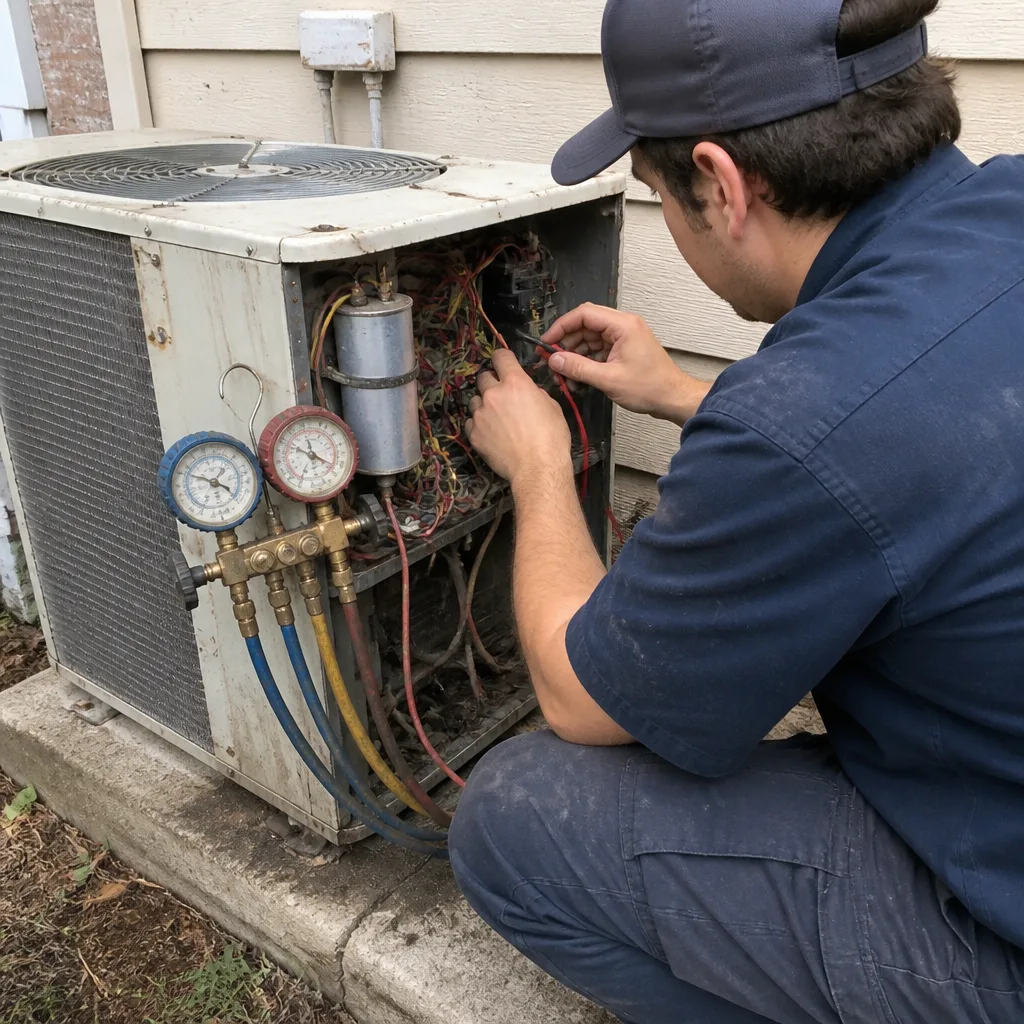 Before
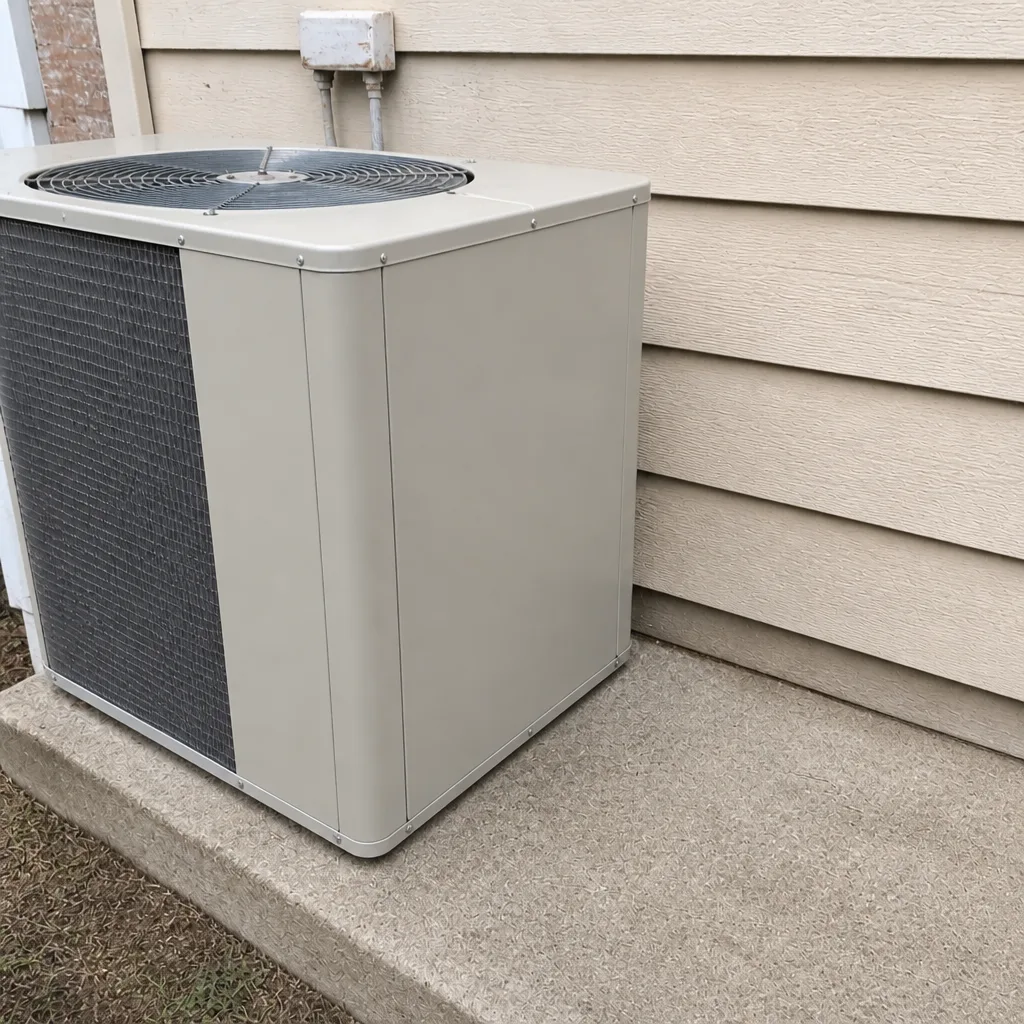 After
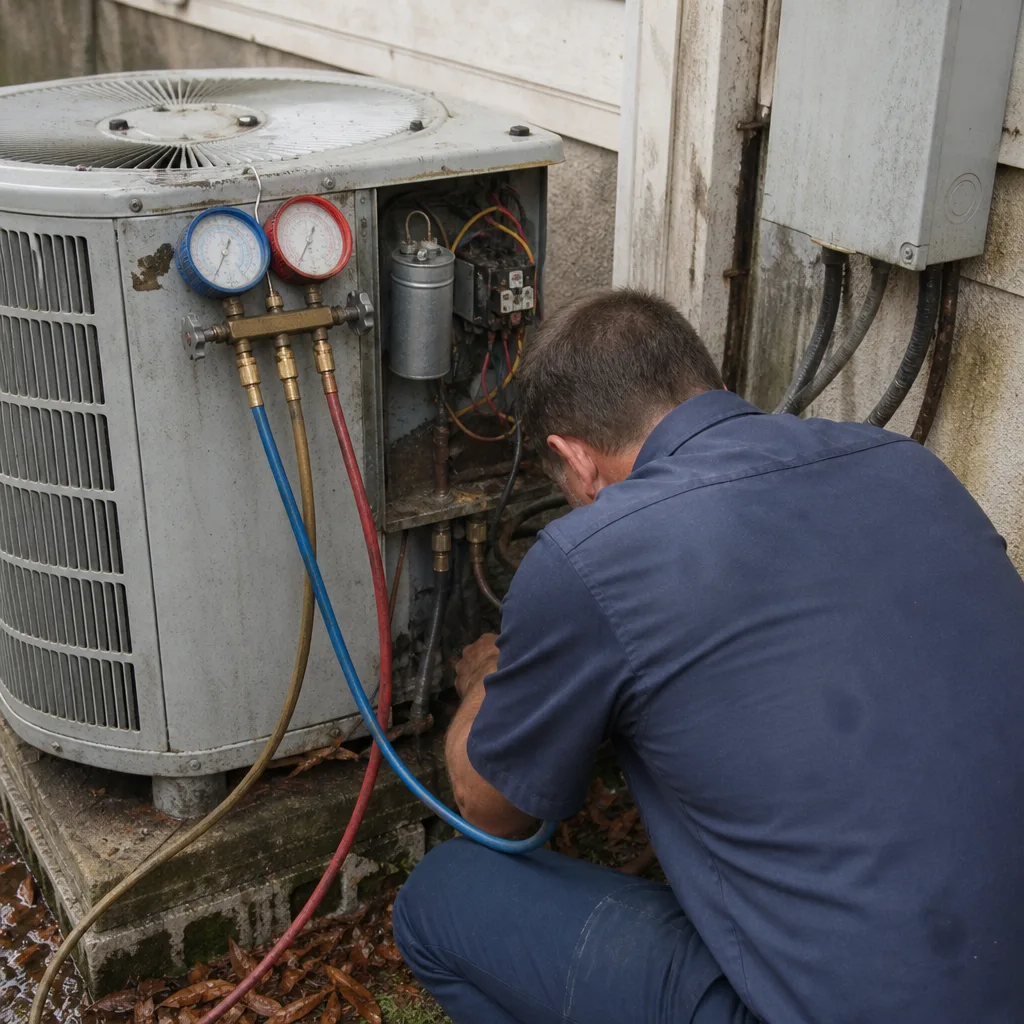 Before
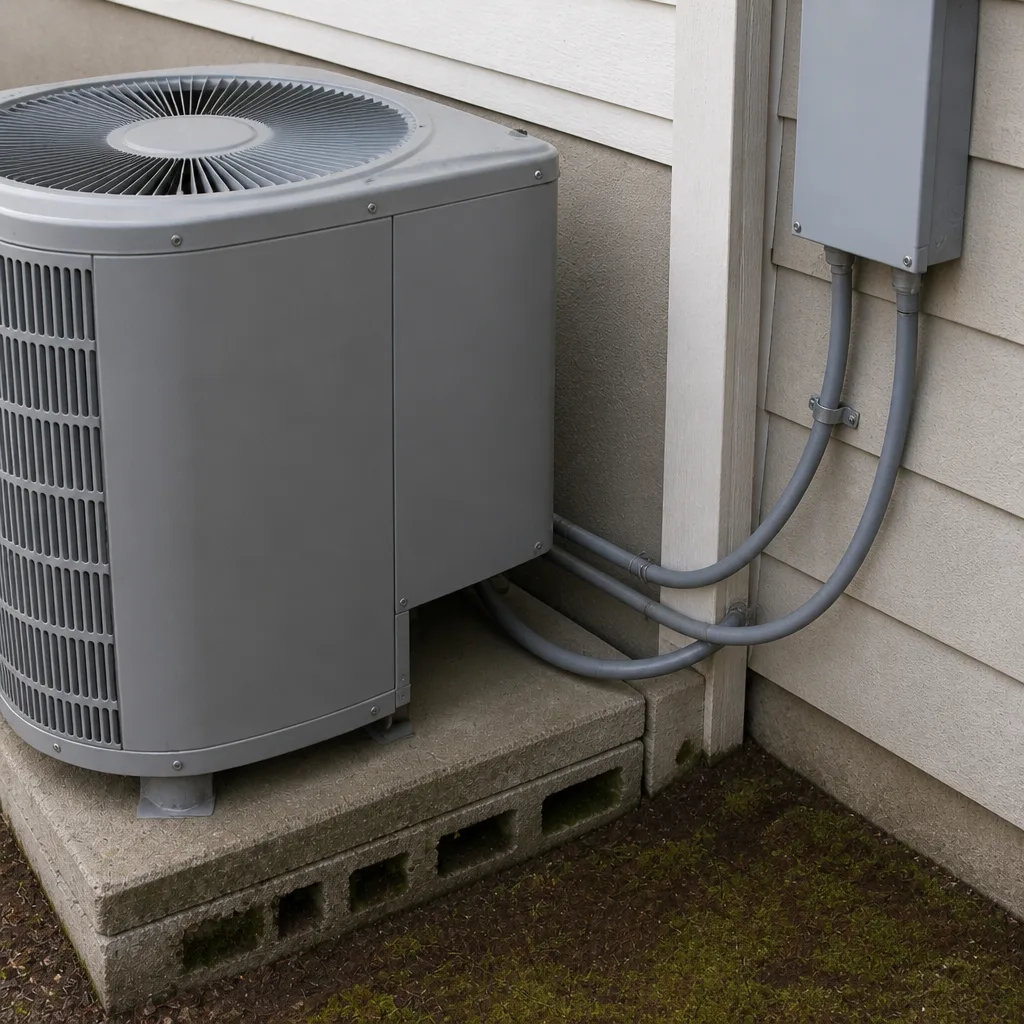 After
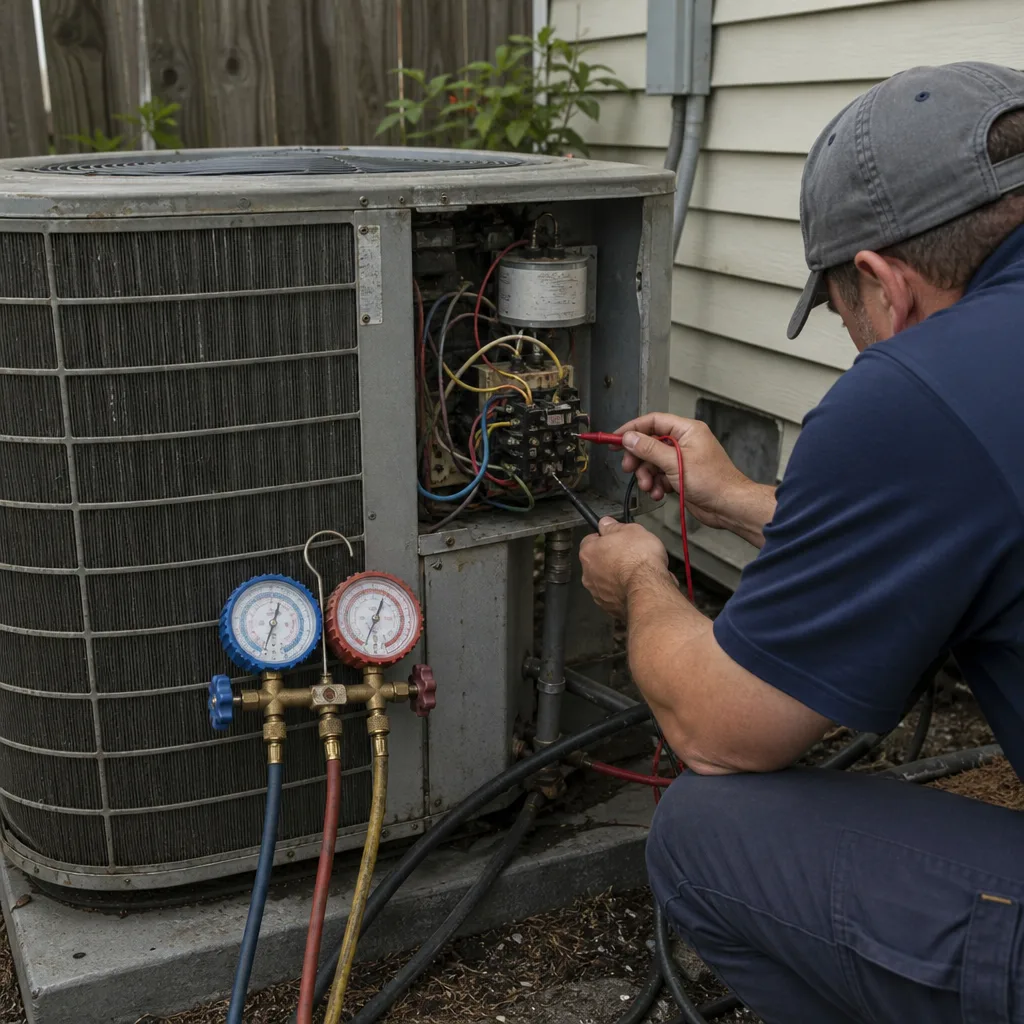 Before
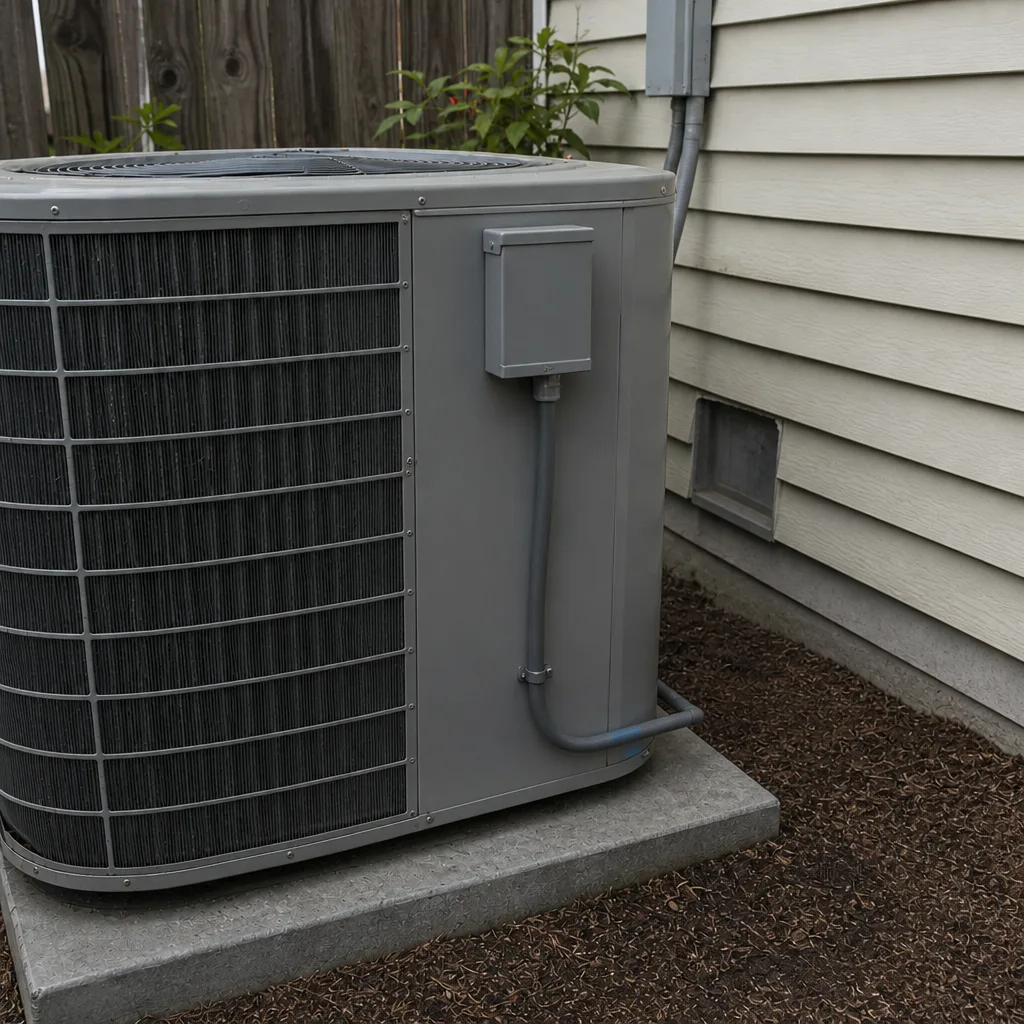 After