
Last updated November 16, 2026
 AC repair
 Furnace & heating
 Heat pumps
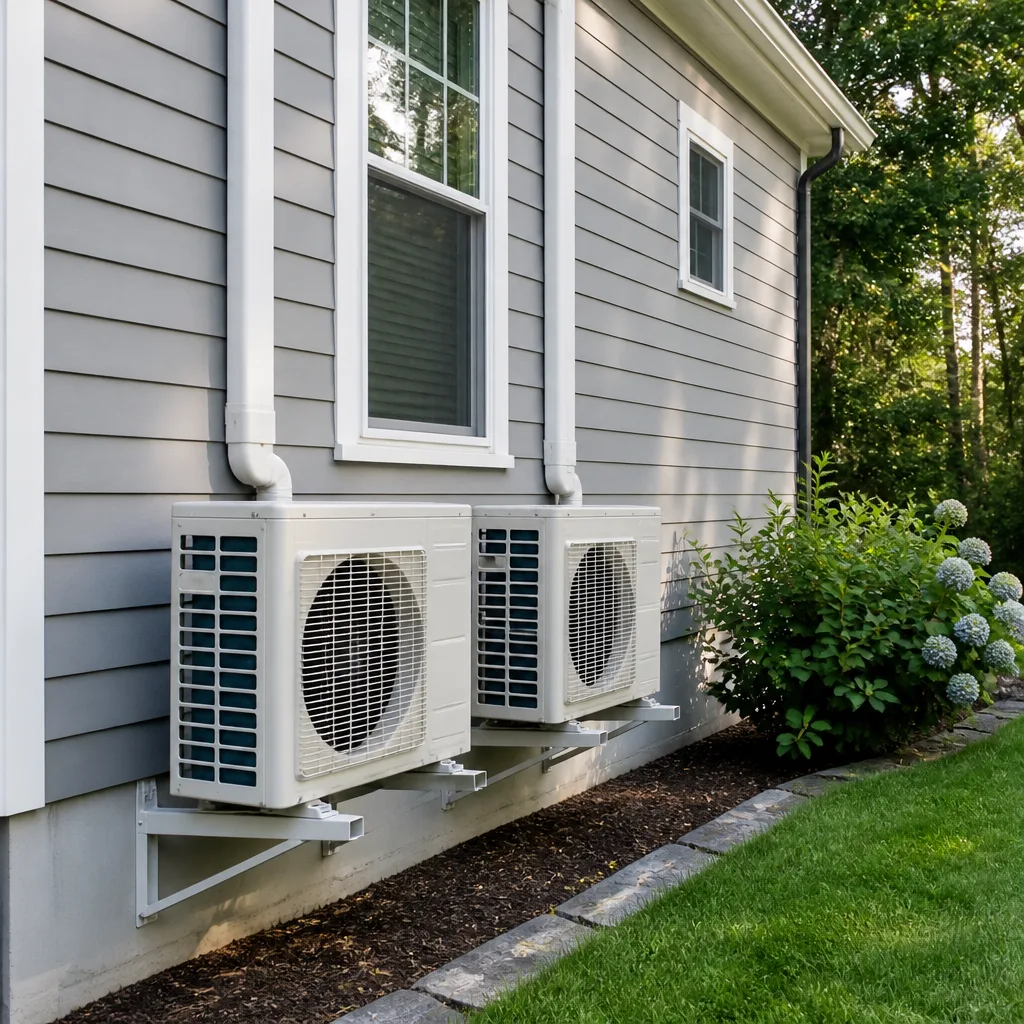 Ductless mini splits
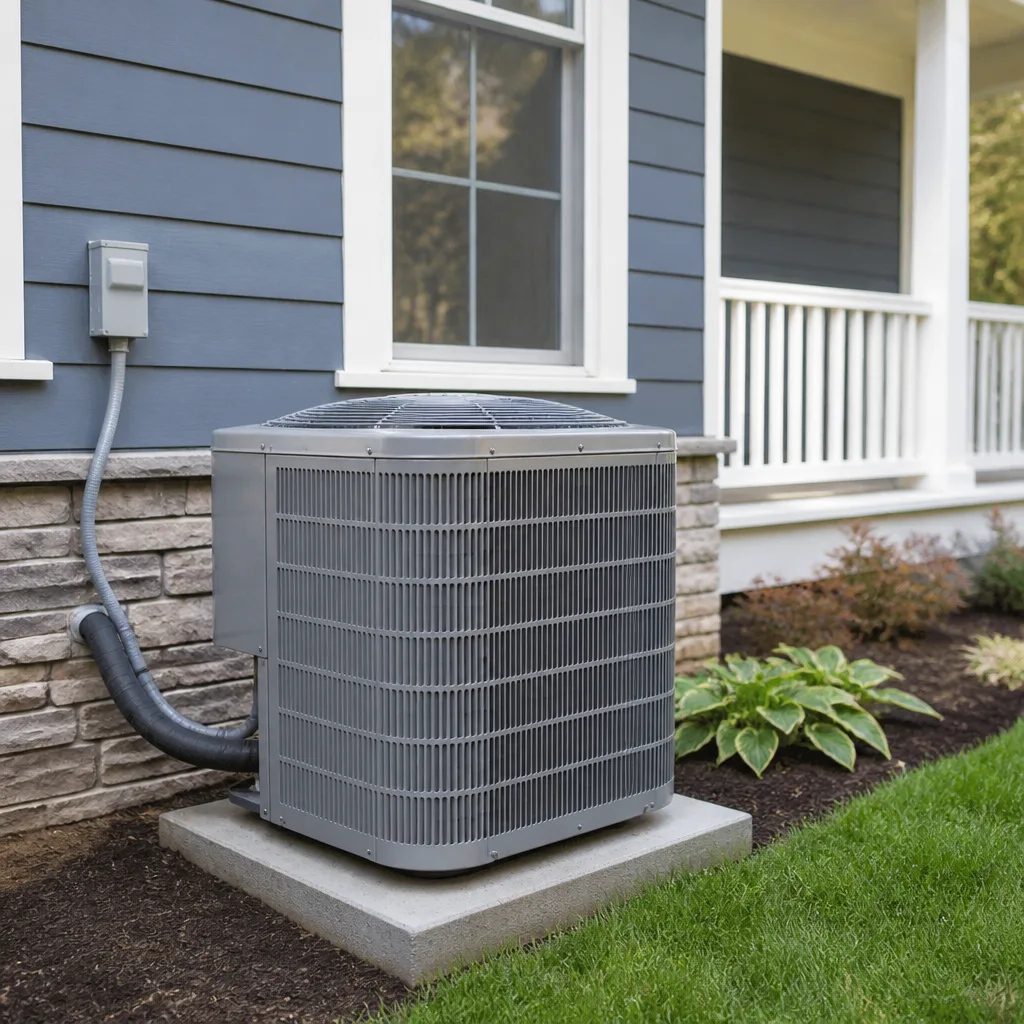 Carrier
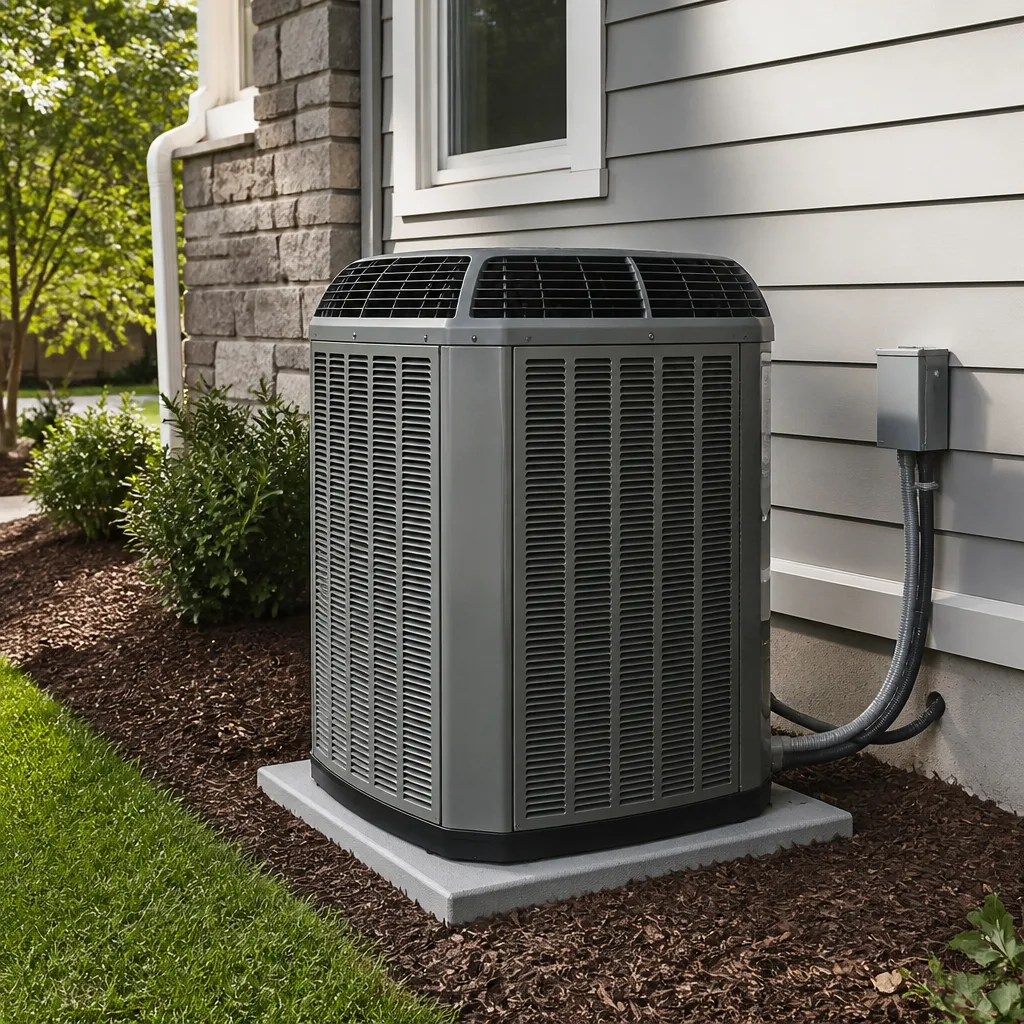 Trane
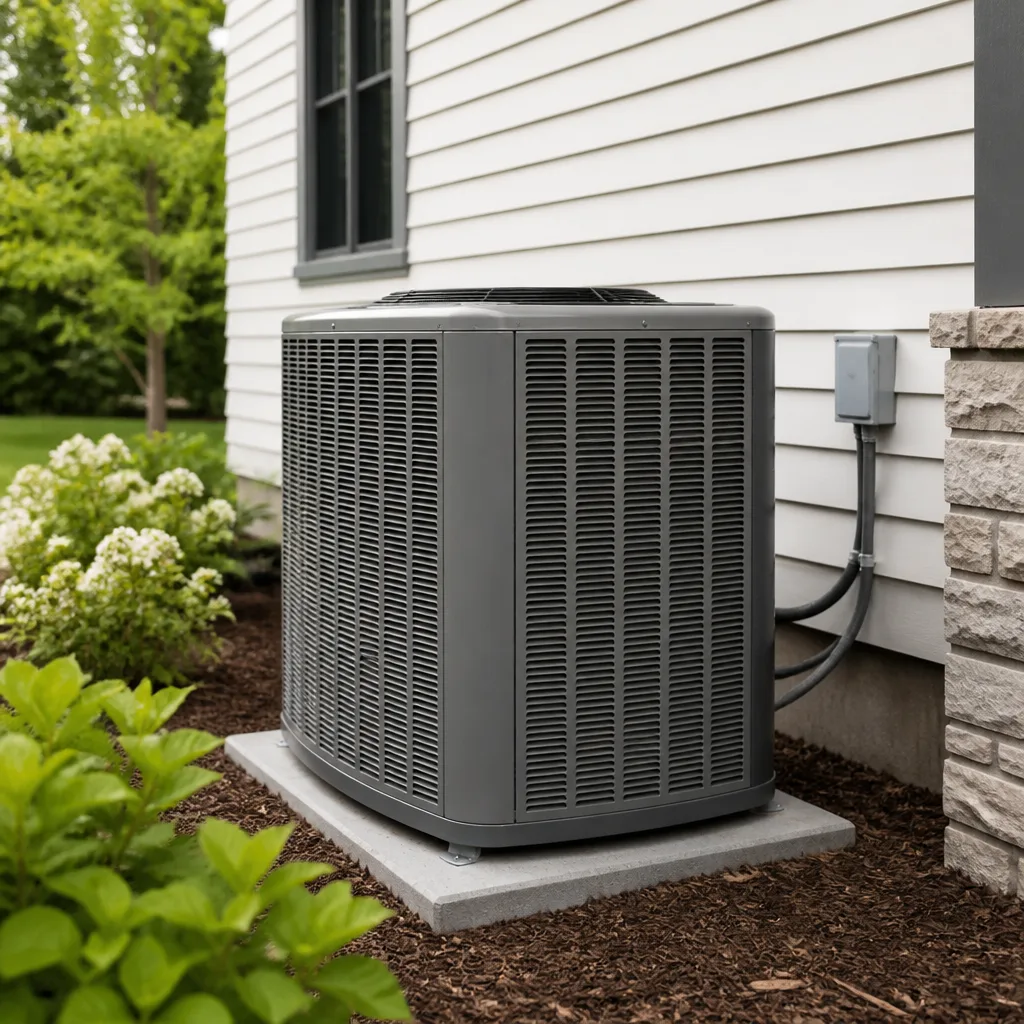 Goodman
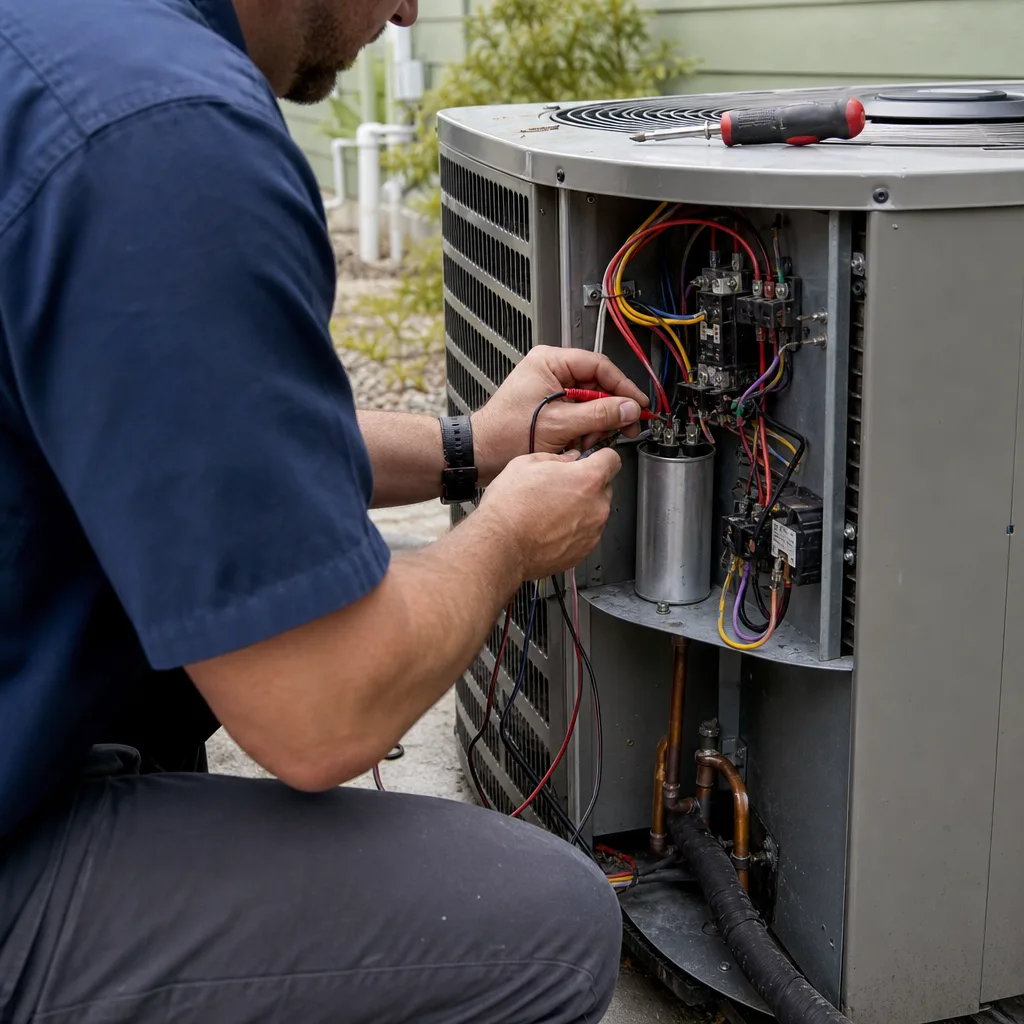
Seasonal tune-up and full diagnostic on your Carrier, Trane, or Goodman system - readings shown to you before any repair is proposed
Diagnosis first, numbers second - you approve the repair price before a single part goes in.
Get your free estimateHVAC Cost Breakdown: The Clearwater Homeowner’s Reference for 2026
Two contractors can quote the same job thousands of dollars apart, and both can be telling you the truth. One may be installing a lower-tier unit, the other a premium line. One may be counting on an easy attic pull-down, the other budgeting for a tight crawl. The gap usually isn’t dishonesty; it’s what each of them expects the job to involve. The only way to tell those apart is to understand what the numbers mean. This guide walks through every major cost line for heating and cooling work in Clearwater: equipment, labor, materials, permits, and the rebates and tax credits that change the net price in 2026. Read it and a quote stops being a black box.
Quick Answer
In Clearwater, a typical residential HVAC replacement in 2026 runs roughly $6,500 to $14,500 installed, with most single-family homes landing between $8,000 and $11,000 depending on system size, efficiency tier, and whether the install includes duct or electrical work. The equipment is usually 40 to 55 percent of that figure, labor and materials 30 to 40 percent, and permits, disposal, and startup the remainder. Rebates and credits can cut the net cost meaningfully when the equipment qualifies.
Styles & brands we work with
- AC repair
- Furnace & heating
- Heat pumps
- Ductless mini splits
- Carrier
- Trane
- Goodman
Table of Contents
- What Actually Drives HVAC Cost in Clearwater?
- 2026 Replacement Ranges by System Size and Tier
- Why Does Equipment Cost Vary Across Nine Major Brands?
- What Labor Factors Make a Clearwater Install Harder or Easier?
- Why the Cheapest Quote Often Costs More Over Five Years
- 2026 Rebates, Tax Credits, and Financing: The Net Cost Picture
- Repair vs. Replace: A Cost Decision, Not a Gut One
- How to Read an HVAC Quote Line by Line
What Actually Drives HVAC Cost in Clearwater?
Five categories carry almost every dollar on a Clearwater HVAC quote: equipment, labor hours, materials (ductwork, line sets, drain components, electrical parts), permits and disposal, and efficiency upgrades. Understanding how each one moves is the fastest way to sort a fair quote from a padded one.
Equipment cost is set by system size (measured in tons of cooling capacity), efficiency rating, and brand tier. A 3-ton unit in the baseline efficiency band costs considerably less than a 3-ton in a high-efficiency band, and the gap widens as size grows. Labor is priced in hours and typically runs higher when the equipment is hard to reach: attic access, tight interior closets, or a second-floor system where every piece has to come up a stairwell.
Materials matter more than homeowners expect. A job that includes new return ductwork, a new line set, and a new drain line adds real cost. A simple swap that reuses existing connections keeps the materials line lean.
Permits and disposal are small but non-negotiable. Clearwater requires permits for HVAC replacement, and honest quotes include the fee and the inspection. Refrigerant recovery and old-equipment hauling also sit here.
Efficiency upgrades push cost up front but not always up in the end. A higher-efficiency system may qualify for utility rebates and federal tax credits that narrow the gap, which we cover later.
The single biggest leverage point is system sizing. A home that needs 2.5 tons of cooling but is quoted a 4-ton system pays more for equipment it doesn’t need and then pays more every summer on the power bill. Correct sizing comes from a load calculation, not from matching the old unit’s nameplate.
Rough share of a typical replacement quote
- Equipment: 40-55%
- Labor: 20-30%
- Materials and connections: 10-15%
- Permit, disposal, and startup: 3-6%
2026 Replacement Ranges by System Size and Tier
Clearwater homes vary from small bungalows in the North Greenwood area to larger two-story houses near Countryside, and system size tracks the house. Below are typical installed ranges by size and efficiency tier for 2026. Treat these as planning figures; the written estimate from any contractor should set the final number.
2-Ton Replacement (roughly 1,000-1,400 sq ft, smaller homes and condos)
- Baseline efficiency tier: $6,500 – $8,500 installed
- Mid-efficiency tier: $7,800 – $9,800 installed
- High-efficiency tier: $9,200 – $11,500 installed
3-Ton Replacement (roughly 1,400-2,000 sq ft, the most common Clearwater size)
- Baseline efficiency tier: $7,800 – $10,000 installed
- Mid-efficiency tier: $9,200 – $11,500 installed
- High-efficiency tier: $10,800 – $13,500 installed
4-Ton Replacement (roughly 2,000-2,600 sq ft, larger single-family homes)
- Baseline efficiency tier: $9,500 – $12,000 installed
- Mid-efficiency tier: $11,000 – $13,800 installed
- High-efficiency tier: $12,500 – $14,500 installed
Those ranges assume the install reuses the existing line set and ductwork. When the equipment quote includes duct replacement, line set replacement, or an electrical circuit upgrade, add $1,200 to $3,500 depending on scope. For comparison, a repair like a compressor replacement typically runs $900 to $2,200 for parts and labor on a residential unit; a blower motor replacement runs $450 to $900.
Furnace work follows a similar pattern. A
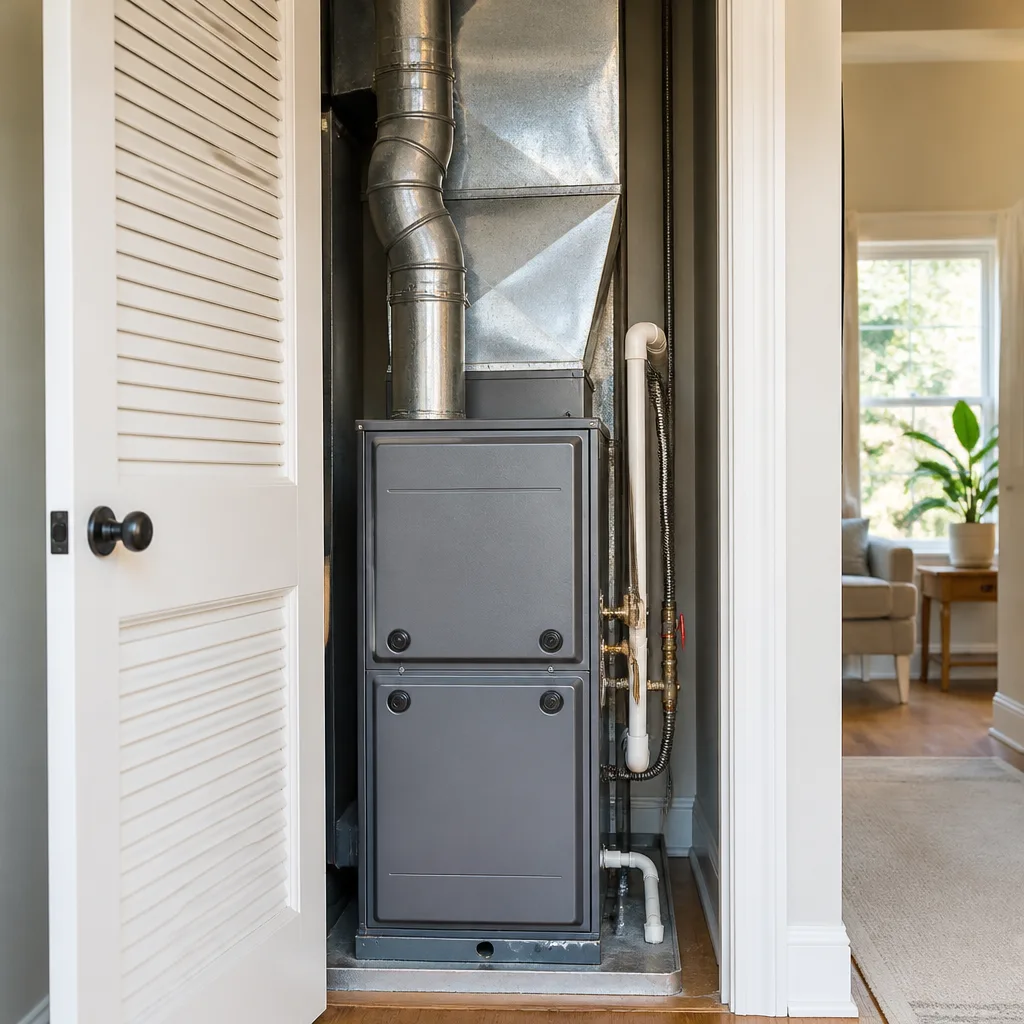
in Clearwater for a common part like a control board or igniter typically runs $200 to $650, while a full furnace replacement in a home that already has a gas line usually lands between $3,500 and $7,500 installed. Because we handle AC installation and furnace work under one roof, we can right-size heating and cooling together so you’re not buying an oversized AC to keep up with a mismatched furnace.
Why Does Equipment Cost Vary Across Nine Major Brands?
At the same efficiency rating, a 3-ton unit from Goodman and a 3-ton unit from Trane will often differ in price by hundreds of dollars, sometimes more. That variation comes from manufacturing cost, warranty coverage, and dealer network structure, not from a difference in the laws of thermodynamics. Both are certified to work; both will cool your house. The question is which one fits your budget and how long you plan to keep the house.
We’re certified to install and repair equipment from nine major manufacturers, including Carrier, Trane, Lennox, Goodman, Rheem, York, Daikin, Bryant, and American Standard. That range matters because it means we don’t have a single line to push. When a homeowner asks why the Lennox quote came in higher than the Goodman quote, we can tell them what’s behind the difference rather than steering toward the one with the larger margin.
Here’s a working rule. Brand premium is generally worth paying for when you plan to stay in the home for the full equipment life, when the premium tier includes a longer parts warranty, or when the brand’s service network in the area is denser (fewer delays if a part fails). The premium is usually not worth paying when the install is going to be sold with the house in a few years, when the rest of the system (duct, thermostat, electrical) is the limiting factor, and when the buyer’s budget is tight enough that the high-tier unit means skipping needed duct repairs to hit a number.
Two of the most cost-efficient mainstream lines we install are Rheem and Daikin, both of which hit solid efficiency at a moderate price. York sits in a similar band. Goodman remains one of the most affordable options and is a reasonable pick when lifespan expectation matches the price. None of those are “cheap” in a bad sense; they’re just positioned differently.
The honest recommendation is based on the home, not the logo. Our
work starts with a load calculation, then narrows to the equipment tier that actually matches what the home needs.
What Labor Factors Make a Clearwater Install Harder or Easier?
Labor is where Clearwater quotes diverge most. A single-story ranch with the air handler in a garage is close to the easy end. A 1970s home with the air handler in a soffit over a hallway, or a two-story in East Lake where the outdoor unit sits on a second-floor balcony, swings the other way. Here’s what moves the labor number.
1. Attic access and configuration
Attic installs are common in Clearwater, and a steep roof pitch, low clearance, or a narrow scuttle raises the labor hours because techs work slower and move equipment in pieces. Ask any contractor whether the quote accounts for access difficulty, and whether the number changes if the access turns out to be tighter than expected.
2. Duct condition
Reusing old ductwork is fine when it’s sealed and properly sized. Reusing duct that leaks at every joint or that was sized for a smaller unit is not. If the new system moves more air than the old ducts can carry, the extra efficiency is wasted. Expect an inspection of accessible ducting in the quote, and expect repair pricing in the $600 to $2,000 range when it’s needed.
3. Electrical upgrades
Modern AC condenser units sometimes draw differently than older ones, and a panel that was sized for a 1990s system may need a dedicated circuit or an updated disconnect. We flag electrical in the quote so the cost isn’t a surprise mid-install.
4. Line set replacement
Old refrigerant lines can be reused if they pass a pressure test. When they don’t, replacement is needed and adds $400 to $1,200 depending on run length and how the line passes through walls.
5. Outdoor pad and clearance
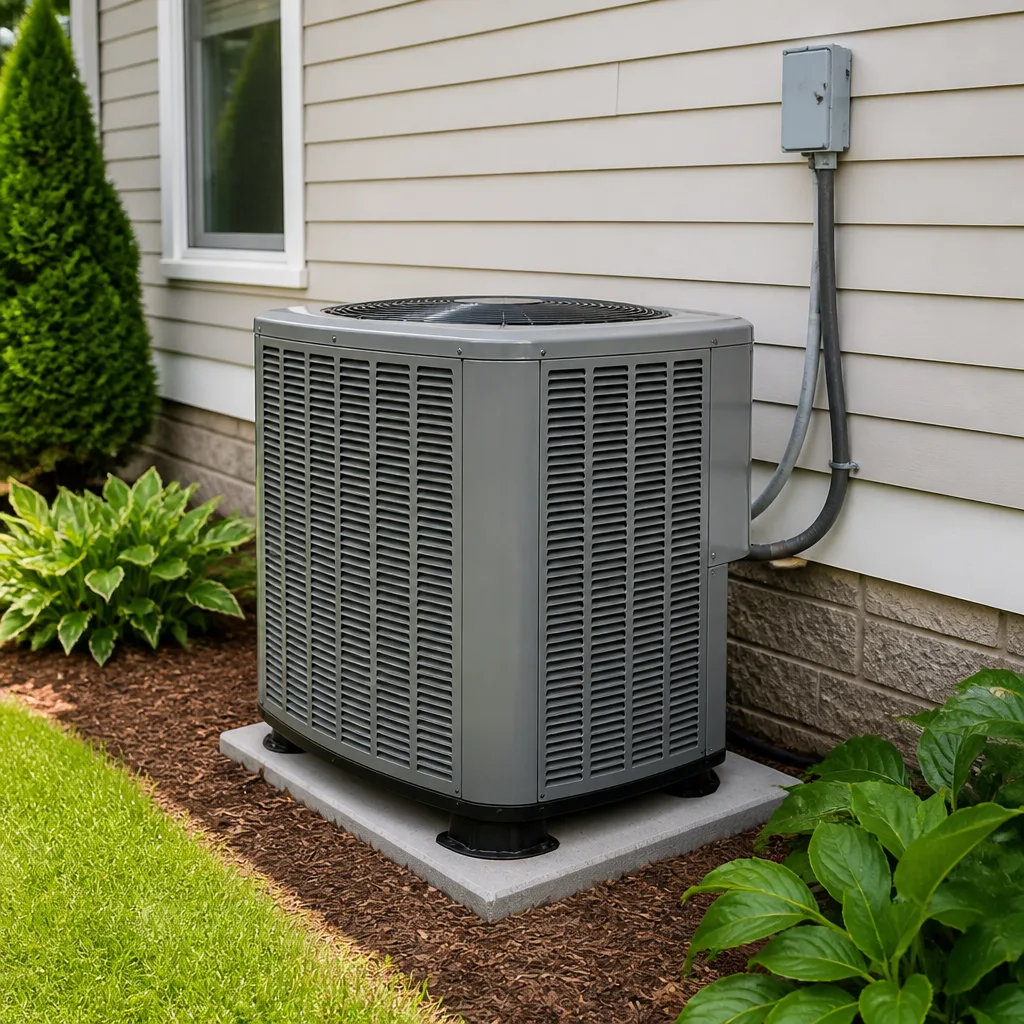
Most Clearwater homes have the condenser on a concrete pad near the side or back wall. If the pad is cracked, if vegetation clearance is poor, or if the new unit is larger and needs more space, expect small material and labor additions.
Honest labor pricing reflects all of these. When a quote doesn’t, one of two things happens: it either comes in artificially low and grows once work begins, or it comes in high to cover unknowns the contractor didn’t inspect.
Why the Cheapest Quote Often Costs More Over Five Years
Low quotes aren’t automatically dishonest, but they’re structurally constrained. To hit a lower price, something in the job has to shrink. Here are the most common places that shrinkage shows up, with an approximate idea of what each one costs over five years.
Where the savings disappear
- Permit skipped: A $150 to $300 permit line disappears, but the install may fail inspection later, and an unpermitted install can complicate a home sale. Re-inspection and correction work often exceeds the permit cost several times over.
- Undersized equipment: A quote that installs a 2-ton unit where the load calc says 2.5 tons saves $600 to $900 up front. Over five summers, the system runs longer, wears harder, and usually costs an extra $300 to $600 in power and one earlier repair than a correctly sized unit.
- Duct untouched: A $600-1,200 duct repair is easy to skip. Within 2 to 3 years the leaks mean a hotter house, higher bill, and often a return visit that costs more than the duct repair would have.
- Baseline efficiency only: A high-efficiency system may cost $1,500 more. But it can qualify for rebates and credits that recover $800 to $2,000 of that, and it typically runs lower bills when the equipment is properly matched. Skipping this tier isn’t always wrong, but it should be a decision, not a default.
- Short warranty: A trimmed-down parts warranty saves the contractor little on the front end but costs the homeowner hundreds if a compressor or coil fails inside five years.
- Rushed startup and commissioning: Savings from skipping a proper commissioning (static pressure check, refrigerant charge verification, thermostat calibration) show up as comfort complaints and early service calls.
The pattern repeats. A quote that is $3,000 lower than the next one is usually a bundle of small omissions, not one dramatic shortcut. Add them up over five years, and the savings evaporate; sometimes they invert. What we try to do at Millbrook is show each line on the quote so you can see where the money is going and where a lower-priced option is a reasonable trade and where it isn’t. See our Millbrook AC Repair page for how we approach this.
2026 Rebates, Tax Credits, and Financing: The Net Cost Picture
Two programs shift HVAC cost the most in 2026: local utility efficiency rebates, chiefly from Duke Energy in the Clearwater area, and federal tax credits under the Inflation Reduction Act. Neither pays for the whole system, but together they can recover a meaningful chunk of the premium on higher-efficiency equipment.
Duke Energy efficiency rebates
Duke Energy’s residential efficiency offerings change year to year. The pattern is that qualifying high-efficiency systems earn a rebate, while baseline-efficiency systems earn little or nothing. In practice, this often means the incremental cost of stepping up a tier is smaller than the sticker suggests, because the rebate narrows the gap. Check the current Duke Energy program pages for exact amounts and qualifying efficiency thresholds before you compare quotes, and ask any contractor you call to state whether the equipment they’re quoting qualifies.
Federal tax credits under the Inflation Reduction Act
The Inflation Reduction Act includes residential clean energy tax credits that can apply to qualifying HVAC equipment. Amounts and eligibility rules have shifted since the law passed, so the reliable move is to confirm the current credit percentage and cap with a tax professional before finalizing equipment choices. The equipment must meet efficiency thresholds to qualify, which is another reason to know what tier you’re buying.
Financing
Many HVAC contractors offer financing through third-party lenders. Rates, terms, and approval vary by lender and by the customer’s credit. Ask what the monthly payment looks like on a 60-month term and compare that to what you’d pay out of pocket to see the interest cost. Never sign a financing agreement without the equipment tier and warranty terms confirmed on the quote.
Net cost illustration
A 3-ton mid-efficiency system in Clearwater at $10,500 installed might net down to roughly $8,500 to $9,500 after qualifying rebates and credits. A baseline 3-ton at $8,500 might net to $8,200 if it earns little rebate. Note how narrow that gap becomes; going low tier to “save money” can end up saving less than $1,000 while giving up years of equipment life.
Repair vs. Replace: A Cost Decision, Not a Gut One
The classic rule says replace if the system is old and the repair is more than a third of replacement cost. In Clearwater, where cooling runs most of the year, system hours accumulate fast, so an “old” system reaches replacement age sooner than in a cooler climate. Here’s how to think it through in dollar terms.
1. Get the repair cost in writing first
A repair estimate converts a vague question into a specific number. Compressor replacement, blower motor, evaporator coil, and control board are the four common high-cost repairs. Each has a typical range and each raises the same question: does the repair cost less than 30 to 40 percent of a new system?
2. Factor in remaining life
A 6-ton-ton-y old system getting a mid-priced repair is different from a system that’s near the end of its useful life getting the same repair. Ask the technician to state, plainly, how many more years they expect the system to run.
3. Compare energy cost
Baseline-efficiency systems from the 2000s and early 2010s run higher electric bills than current mid-efficiency units. If you’re already looking at a $2,000+ repair on an old baseline system, the energy savings from replacing can recover a portion of that cost over five years.
4. Weigh comfort as a cost
Hot and cold spots, noisy startup, and humidity control problems that persist after multiple repairs often precede replacement. Humidity control matters in Clearwater more than most places; a properly sized mid-efficiency system usually handles it better than an oversized old unit.
5. Stop when the math is clear
If repair is $800 on a system with five or more years left, repair. If repair is $3,000 on a system that was already showing age, replace. The gray zone is $1,500 on a system of uncertain age; that’s when a load calculation and a proper assessment help most.
How to Read an HVAC Quote Line by Line
A respectful, thorough quote has structure. If yours doesn’t, ask for one. Here’s what you should see, and what should raise a question.
What every quote should include
- Equipment make and model number. Not “a 3-ton unit” but the exact model. This is how you compare two quotes fairly.
- Efficiency rating and tier. Which tier is being installed, and does it qualify for Duke Energy rebates?
- Load calculation reference. The tonnage should match the home, not the old system’s nameplate.
- Scope of work. What’s being swapped, what’s being reused, what’s being replaced new (line set, drain, thermostat, pad).
- Permit line, separately. The fee should be visible and the contractor should state they’re pulling it.
- Labor hours or labor as a line. Lump-sum labor is common, but the quote should reflect that the contractor walked the install and priced the access.
- Warranty terms. Parts and labor, separately, with duration stated clearly.
- Disposal and recovery fees. Refrigerant recovery and old-equipment hauling should be included, not a surprise.
- Payment and financing terms. Up-front deposit, progress payments, and total payable including any financing interest.
- Written final price. The written estimate is the price. It shouldn’t change unless you approve a change order.
If any of those are missing, the quote has room for interpretation later. In our experience, the difference between a quote you can trust and one you can’t usually comes down to whether the contractor put the effort into the page you’re holding.
Common Mistakes to Avoid
- Comparing tonnage without a load calculation. A quote that puts 3.5 tons in a home that needs 2.5 isn’t a value; it’s an oversized system that runs short cycles and controls humidity poorly. Clearwater summers punish that mistake all year.
- Assuming the cheapest quote is a scam or the highest is honest. Neither is true by default. Read the equipment model, the permit line, and the warranty on each; the difference is usually in the details.
- Skipping the permit to save a few hundred dollars. Unpermitted installs come back at resale, at insurance time, and if the equipment fails and the manufacturer’s warranty depends on proper installation and permitting.
- Trusting a brand pitch over a load calc. A contractor who sells one brand will recommend that brand. That’s not dishonest, but it’s not the same as a recommendation tailored to your home and budget.
- Ignoring duct condition during a swap. Reusing leaky, undersized duct with a new high-efficiency unit costs more in the long run than fixing the duct and installing a mid-tier unit.
- Forgetting to confirm rebate eligibility before signing. A quote that doesn’t reference the Duke Energy program or federal tax credit thresholds may be selling a system that doesn’t qualify, so the “premium” comes with no recovery.
- Treating financing as free money. The monthly payment looks smaller than the cash price; the total with interest is what you actually pay. Get both numbers.
See the difference
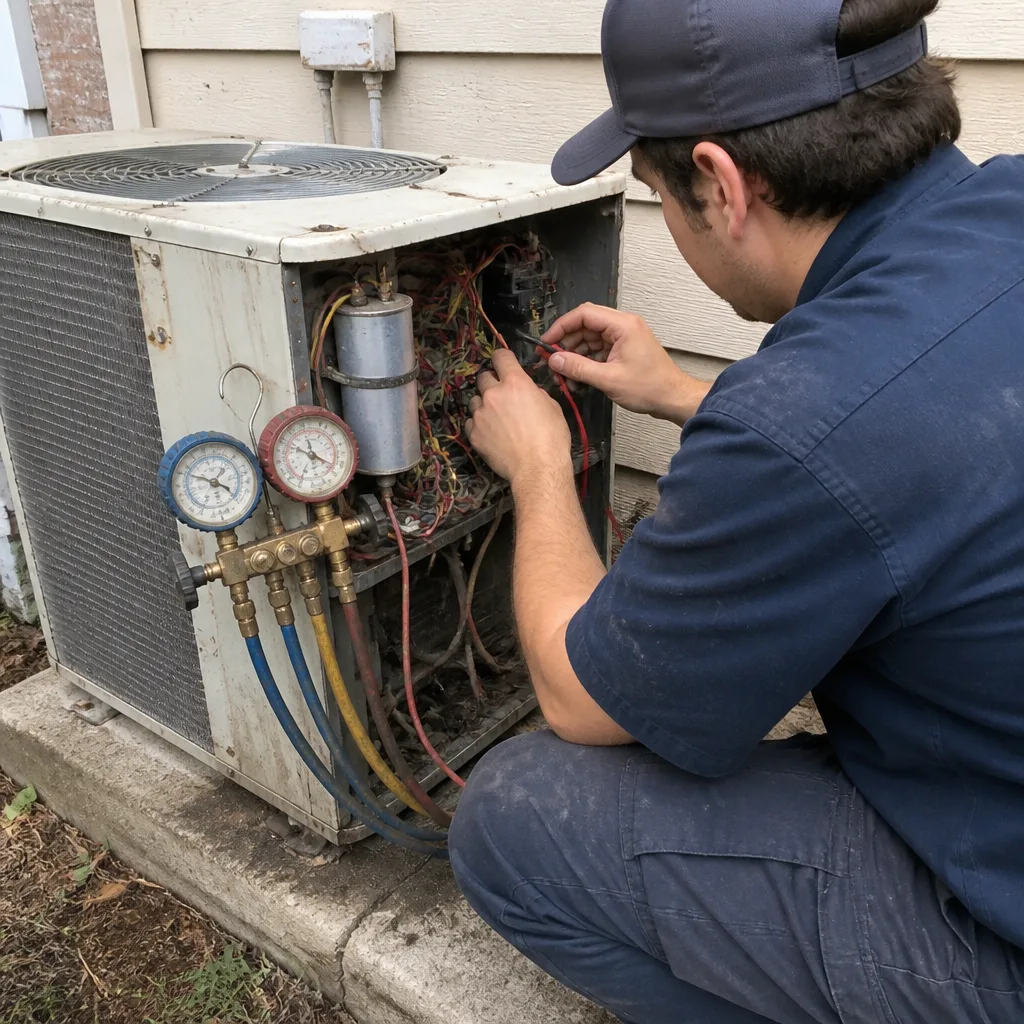 Before
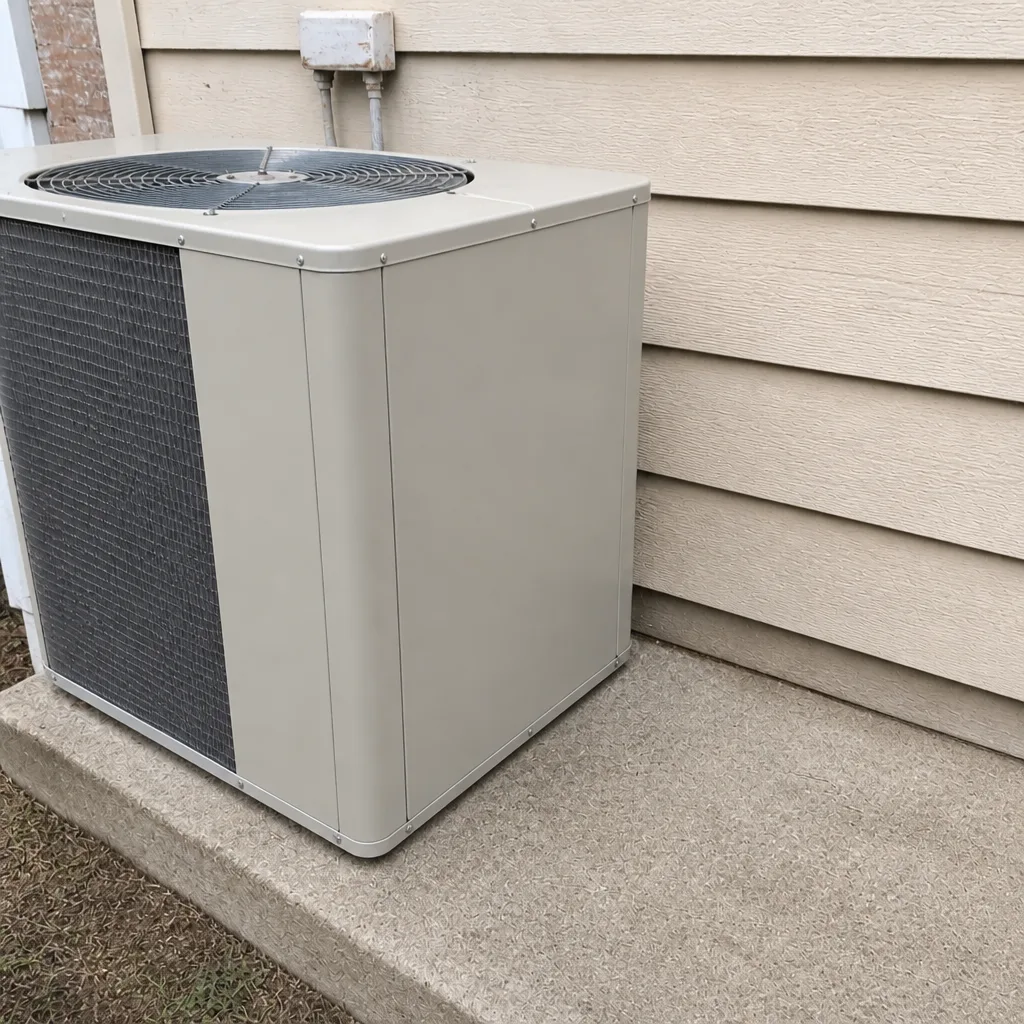 After
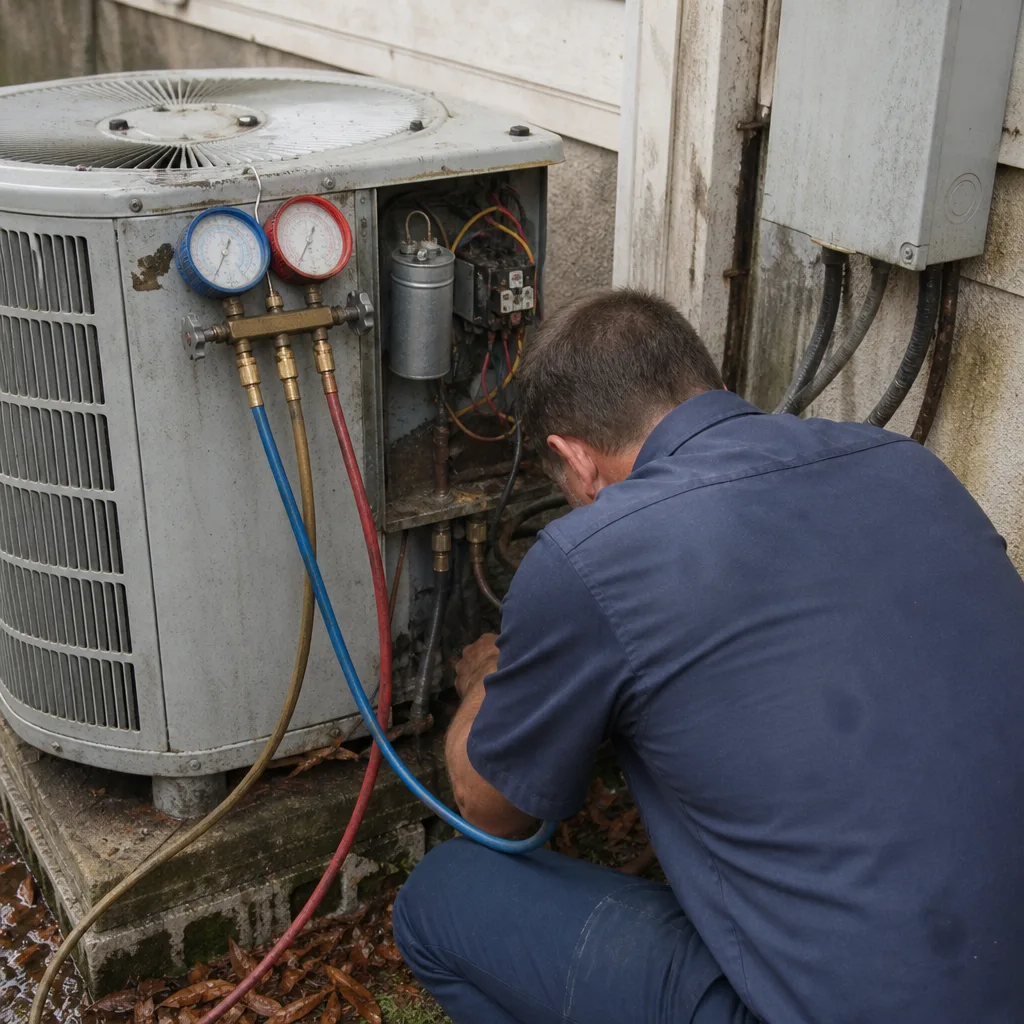 Before
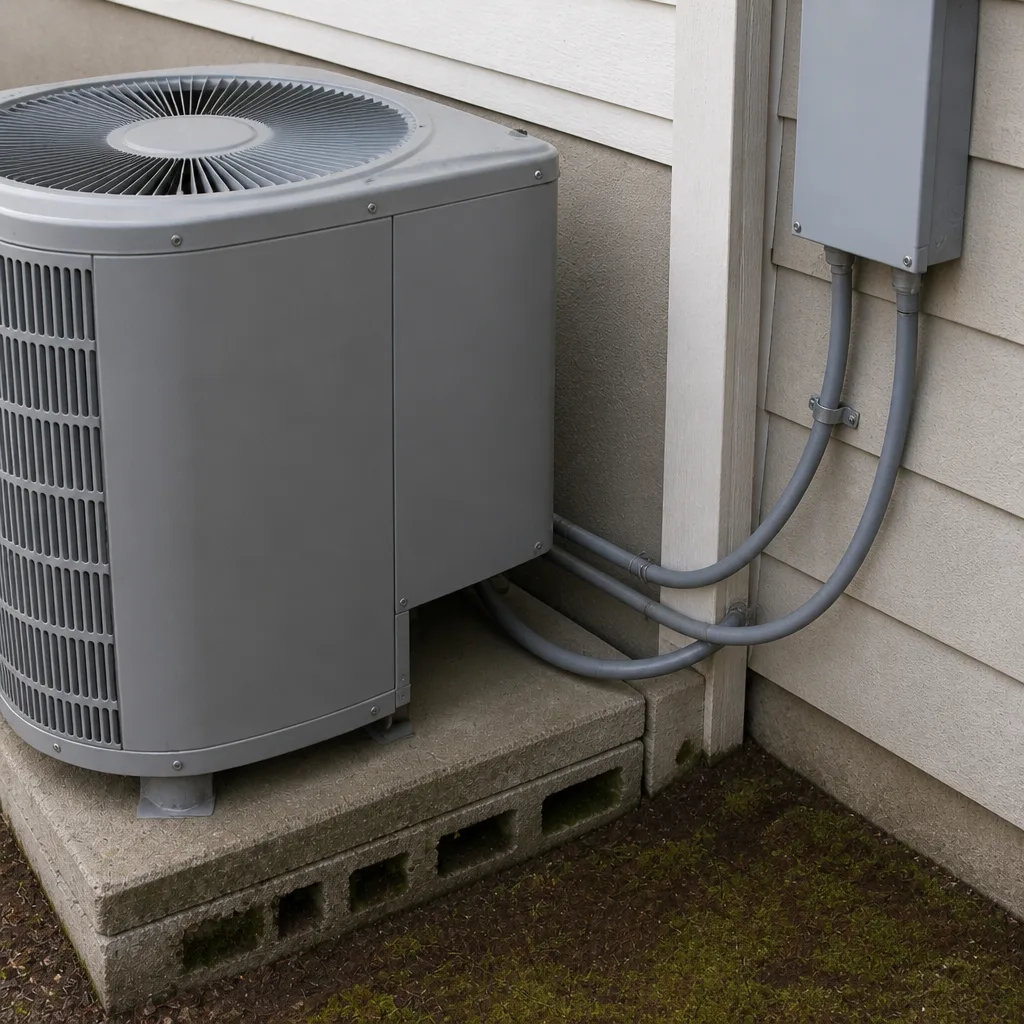 After
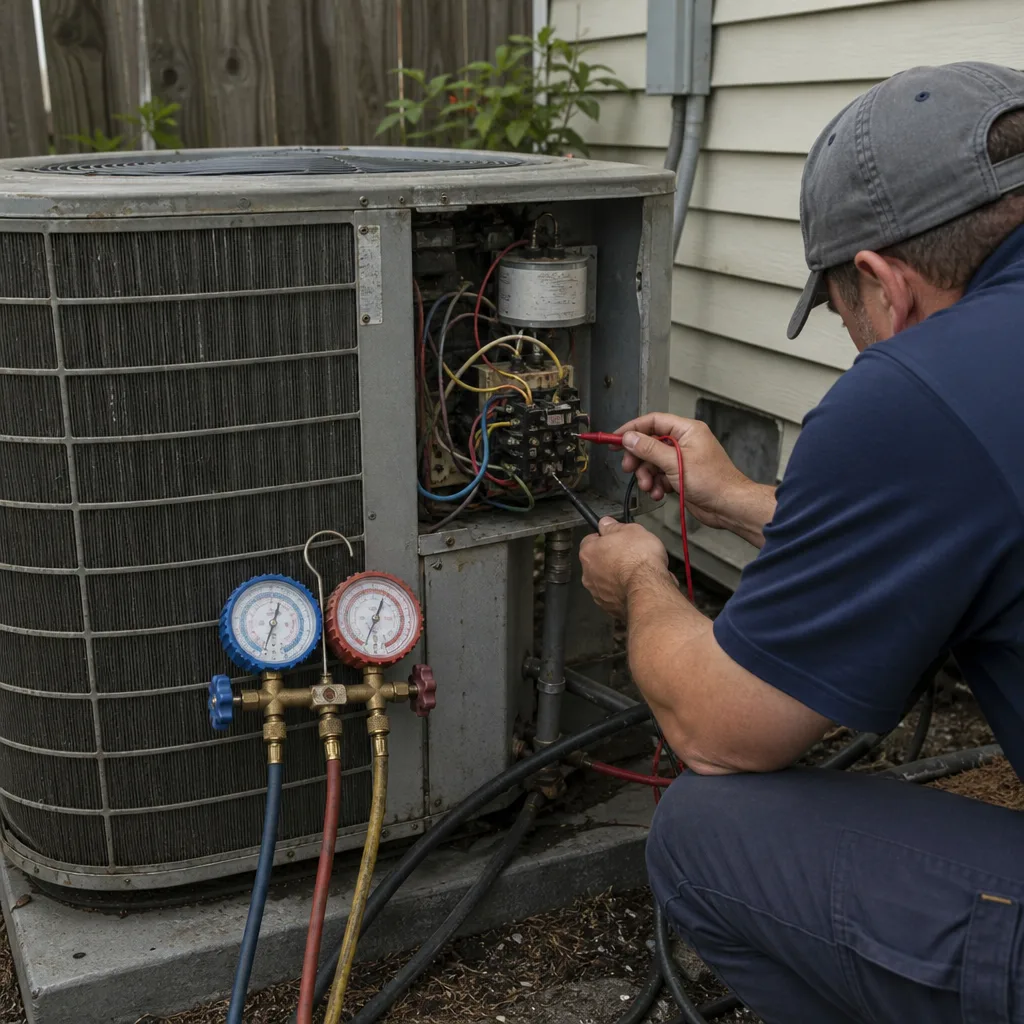 Before
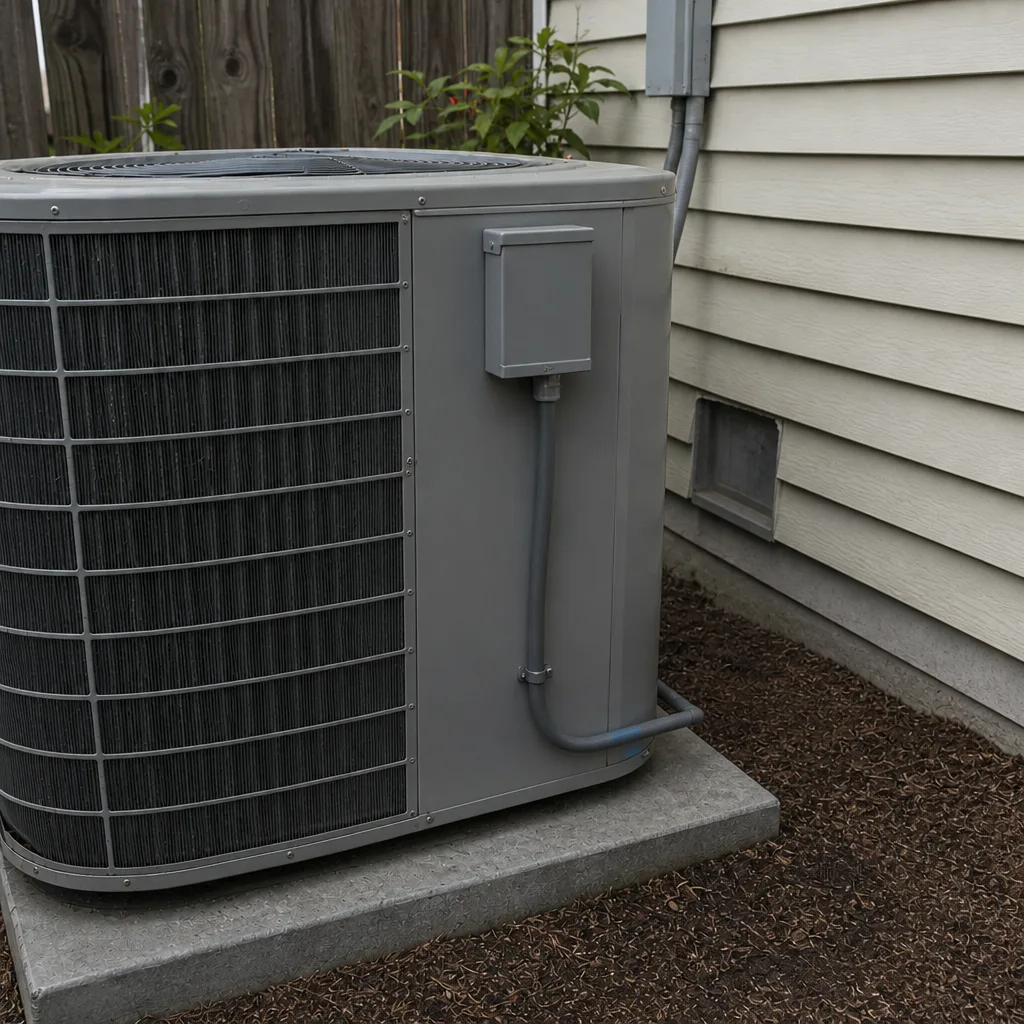 After
When to Call a Professional
Some HVAC problems are clear calls: the system stops cooling, the compressor breaker trips repeatedly, the furnace won’t ignite, or the outdoor unit runs but the house stays warm. Some are quieter and easier to postpone until they cost more: bills creeping up, hot spots in one room, humidity that never drops, or a unit that starts and stops more than it used to. If you’re facing a repair quote you don’t fully understand, or a replacement quote that leaves you guessing at half the line items, a second opinion is worth getting before you commit. We’ve been doing this work across Clearwater long enough to know what honest pricing looks like, and our technicians have up to 10 years of experience working on equipment from nine major manufacturers. Millbrook AC Repair offers free estimates in Clearwater. Call (855) 360-7082. We answer 24/7, with fast dispatch from 7am to 7pm, Sunday through Friday.
Frequently Asked Questions
Most Clearwater homes land between $8,000 and $11,000 for a full AC replacement, with 2-ton systems starting around $6,500 and 4-ton systems running $9,500 to $14,500 depending on efficiency tier and whether duct or electrical work is included. Furnace replacement adds $3,500 to $7,500 for homes that already have a gas line. These are typical ranges; the written estimate sets the final price. Call (855) 360-7082 for an exact quote, and estimates are free.
Because the two quotes usually describe different jobs. The lower quote may skip the permit, install baseline-efficiency equipment in a home that needs a mid-tier unit, reuse failing duct, or shorten the warranty. None of those necessarily mean the contractor is bad, but they do mean you’re comparing two different systems and two different scopes. Ask each contractor to write out the equipment model, permit line, duct scope, and warranty separately, then compare line by line. We’ll do that for any Clearwater homeowner at no charge.
In most cases, yes. Clearwater requires permits for HVAC replacement, and a proper install includes an inspection. Some contractors skip it to lower the quote by a few hundred dollars. That saves you the permit fee up front and costs you more if the install has to be corrected later or if the unpermitted work complicates a sale. Ask any contractor whether the permit is included and confirm it’s on the quote. Call us at (855) 360-7082 if you want a quote that shows the permit line clearly.
We’re certified to install and repair equipment from nine major HVAC brands: Carrier, Trane, Lennox, Goodman, Rheem, York, Daikin, Bryant, and American Standard. That means we can recommend a system based on what fits your home and budget rather than steering toward a single product line. Our recommendations come from a load calculation and a real look at your existing ducts and electrical, not from a manufacturer quota.
Both programs are still active in 2026, but the specific amounts and qualifying efficiency thresholds can change year to year. Duke Energy’s residential efficiency rebates typically favor higher-efficiency equipment, and the federal tax credit under the Inflation Reduction Act applies to equipment that meets certain efficiency thresholds. Before you finalize a quote, confirm the current rebate amounts on the Duke Energy program pages and the tax credit details with a tax professional. We can tell you whether the equipment on your quote qualifies. Call (855) 360-7082 to talk through a specific system.
Repair if the repair cost is under 30 to 40 percent of replacement cost and the system has several years of life left. Replace if the repair is high relative to system age, if the system is baseline efficiency and you’re already facing a $2,000+ repair, or if you’re seeing repeated repairs and growing discomfort. A proper diagnosis takes an hour and makes the decision clear. Call (855) 360-7082 for a free estimate, and we’ll give you both numbers so you can choose.
The Bottom Line
HVAC pricing in Clearwater follows a pattern: equipment cost by size and tier, labor by access and scope, materials by what needs replacing, permits and disposal as fixed lines, and rebates and credits as the discount that follows. A quote is fair when the equipment model is named, the permit is included, the duct condition is honestly described, and the warranty is spelled out. It’s padded when any of those are vague, and it’s too cheap when several of them are missing. Compare line by line, not just bottom line. If you want a quote built that way, from a team that works across nine major brands and can handle both heating and cooling under one roof, call us. Millbrook AC Repair offers free estimates in Clearwater. Call (855) 360-7082. We answer 24/7, with fast dispatch from 7am to 7pm, Sunday through Friday.
Written by the team at Millbrook AC Repair.